
John Vaillant: Fire Weather
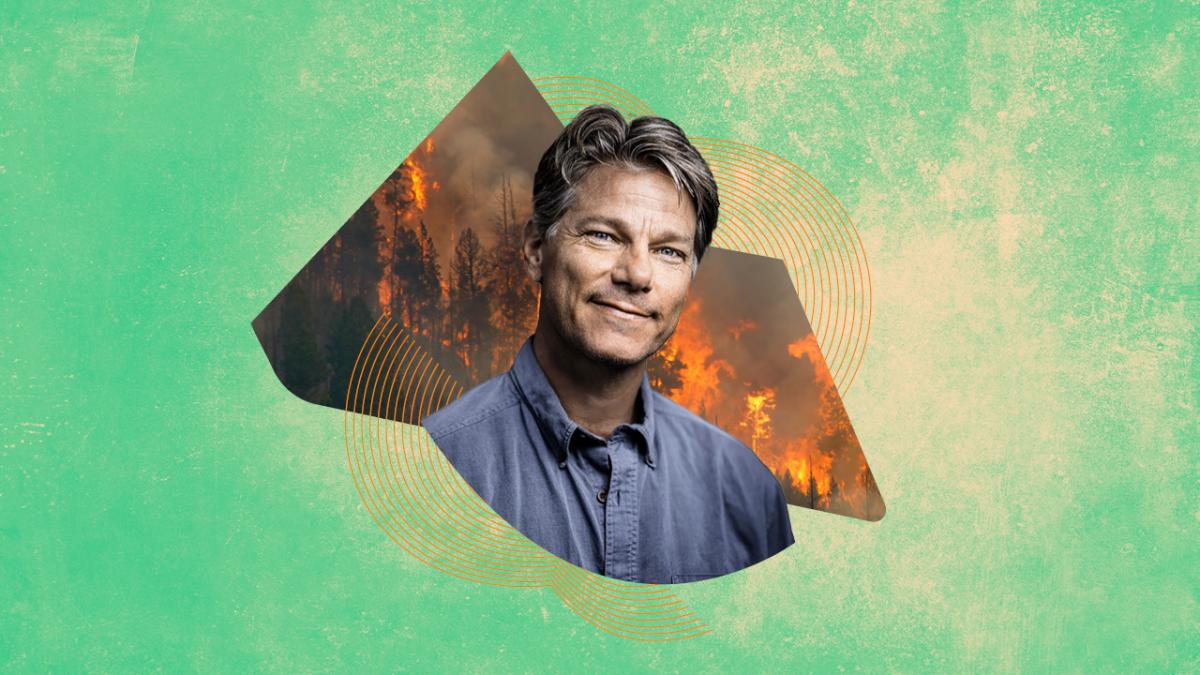
2025 JACK BEALE LECTURE
John Vaillant | Jason Sharples
Black Saturday razed towns, Canada’s Fort McMurray wildfire forced 88,000 people to flee, the LA fires obliterated over 12,000 buildings and Australia’s Black Summer fires scorched 24 million hectares – an area the size of the United Kingdom. Bushfires are no longer seasonal, they’re unrelenting; reshaping landscapes and lives in our rapidly warming world.
In Fire Weather, award-winning Canadian author John Vaillant tells the gripping story of a city consumed by flame – a harbinger of what’s to come in a hotter, drier, more combustible world.
Joined by UNSW bushfire behaviour expert Jason Sharples, listen in on a conversation on the science of fire, the galvanising power of storytelling and how we can survive in a world where the line between our natural and built environment is increasingly blurred – and increasingly flammable.
ABOUT THE JACK BEALE LECTURE
The Jack Beale Public Lecture Series was established in 1999 by the Honourable Dr Jack Beale AO, a passionate advocate of environmental management, a UNSW alum, recipient of a UNSW Honorary Doctorate, and the first Minister for the Environment in Australia (NSW Parliament). The Lecture provides the opportunity for a prominent individual to examine Australia’s environmental responsibilities, opportunities and activities within a global context. Past speakers have included Professor Paul Ehrlich, Dr Rajendra Pachauri and Dr David Suzuki.
LIVE EVENT & VENUE INFORMATION
The Science Theatre is located at UNSW Sydney's Kensington Campus. Please note this is a live event only, and will not be available via livestream.
TICKETS
ACCESS
Wheelchair Access
The Science Theatre is located at UNSW Sydney's Kensington campus (highlighted red on this map). The closest accessible drop-off point to the Science Theatre is towards the rear of the building, with access via Gate 2, High Street. Vehicles can drop off patrons directly adjacent to the Business School west wing which is then a 200 metre walk approximately. More information on getting there can be found via our interactive accessibility map available here.
Assisted Listening
The Science Theatre has hearing assistive technology available. Patrons wishing to utilise this service must collect a Roger™ inductive neck-loop receiver from the venue staff, and this system can be used with a hearing aid or cochlear implant with a T-coil, or with headphones.
Auslan & Captioning
Auslan interpreting services and/or live captioning can be provided for selected talks upon request.
Contact
To book and discuss access services, please call the Centre for Ideas on 02 9065 0485 or email centreforideas@unsw.edu.au.
PUBLIC TRANSPORT & PARKING
The Science Theatre is easily accessible via public transport and the closest light rail stop is UNSW Anzac Parade (L3 line). The closest bus stop is UNSW Gate 2, High Street (348, 370). For more information please call the Transport Infoline on 131 500 or visit transportnsw.info.
Free parking is also available in the Barker St Car Park (Gate 14) from 5.30pm. For access to free parking, event patrons must park in the UNSW Permit Holder bays, available on all levels. The Barker St Car Park (Gate 14) parking station is located here.
Paid casual and visitor parking is offered via the CellOPark App and ‘pay by plate meters’ in all other UNSW car parks. For more information head here.
PROGRESS FOR ALL
Climate change is arguably the most urgent issue of our time, with enormous ramifications for future generations. UNSW will continue our trajectory as a leader in responses to climate change and impact mitigation from increasing natural disasters. We will enhance our expertise in climate science, environmental sustainability, disaster response and resilience, and many other related disciplines across all our faculties to influence policy and create innovative solutions with real-world impact. We will collaborate across all disciplines, faculties, sectors and borders to optimise the impact of our teaching, research and thought leadership to help create a liveable world for generations to come. We will lead by example in working to be a climate-resilient, nature-positive and net zero emissions University.
You can read more about our objectives in our UNSW Strategy: Progress for All.

CONTACT
For all the other enquiries, please email centreforideas@unsw.edu.au or call the Centre for Ideas on 02 9065 0485.
The Centre for Ideas is happy to receive phone calls via the National Relay Service. TTY users, phone 133 677, then ask for 02 9065 0485. Speak and Listen users, phone 1300 555 727 then ask for 02 9065 0485. For more information on all other relay calls visit here.
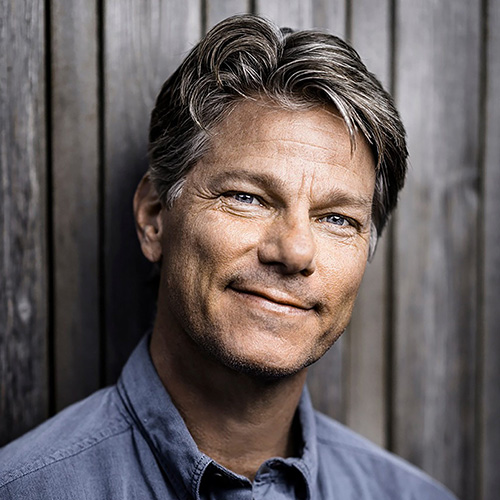
John Vaillant
John Vaillant is a bestselling author and freelance writer whose work has appeared in The New Yorker, The Atlantic, National Geographic, and The Guardian, among others. His first book, The Golden Spruce, won the Canadian Governor General's Award for non-fiction. His second, The Tiger, was an international bestseller and was translated into 16 languages, and The Jaguar's Children, his first work of fiction, was a finalist for the Canadian Writers' Trust Fiction Prize. His most recent book, Fire Weather, won the Baillie Gifford Prize and Canada's Shaughnessy Cohen Prize, and was a finalist the Pulitzer Prize and the National Book Award.
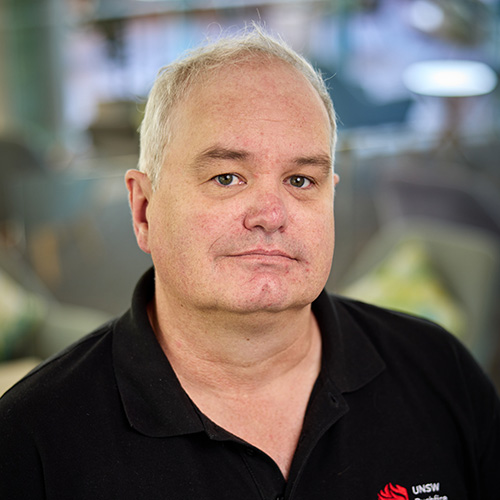
Jason Sharples
Jason Sharples is a mathematical scientist at UNSW, Professor of Bushfire Dynamics and Director of UNSW Bushfire. As an internationally recognised expert in dynamic wildfire behaviour and extreme wildfire development, his research has extensively influenced policy and practice in Australia and internationally. He uses advanced mathematical and computational models to understand the dynamics of wildfire propagation and to pinpoint geographic features and weather conditions more likely to generate extreme wildfires. He is the Operations Node Leader in the NSW Bushfire and Natural Hazards Research Centre and is further involved in various national and international research projects.