Yael Stone: Giving to gain
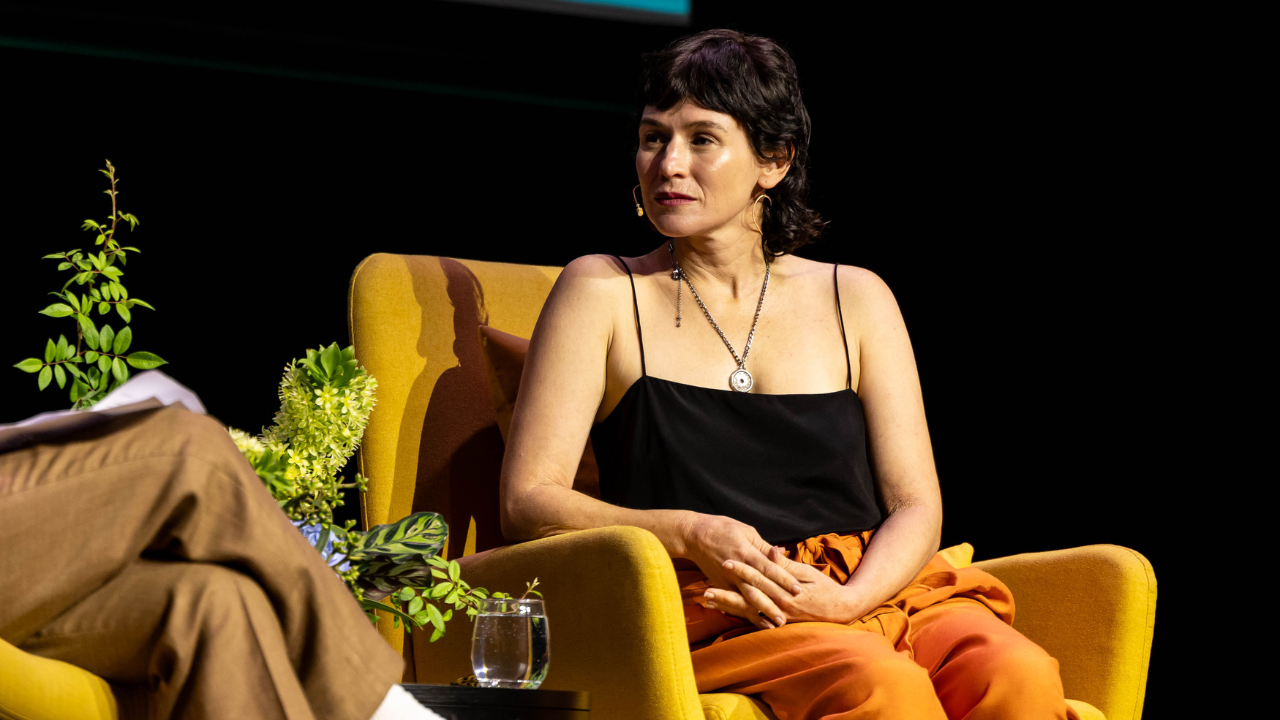
It's easy not to say anything that is often the easier choice, but to kind of publicly declare a sense of a moral compass and talk about these things is terrifying. But to feel that you are living an aligned life with your values is enormously powerful. And to have two children and a beautiful family see you show up for those values is worth so much.
Many people would recognise Australian actress Yael Stone from her breakout role as the red-lipped Lorna Morello in TV series Orange is the New Black. But, in 2020 she gave up her green card, and her acting career in the United States, unable to reconcile the carbon emissions of the jet-setting lifestyle with her own climate conscience. Since then, Yael has channelled her focus into a new career path in climate advocacy, going back to university and co-founding the not-for-profit renewables and clean energy organisation, Hi Neighbour.
In celebration of International Women’s Day, hear actress, entrepreneur and climate advocate Yael Stone alongside writer and broadcaster Benjamin Law to explore what we have to give up to gain a life living in alignment with our personal values.
This event was presented by the UNSW Centre for Ideas in celebration of International Women’s Day.
Transcript
Benjamin Law: G'day, everyone and welcome to the UNSW Centre for Ideas. How are you? It's good to see you all.
Yael Stone: Hi!
Audience applause
Benjamin Law: Thank you so much for coming out on a school night, no less - so good of you. Tonight's event is in celebration of International Women's Day, which is this Sunday, by the way, and is presented by, as we said, the UNSW Centre for Ideas. And they are dedicated to showcasing extraordinary thinkers, leaders, provocateurs, campaigners, researchers at UNSW and beyond, to the world stage.
My name is Benjamin Law. I am not a woman to be celebrated this Sunday, but I am really, really thrilled to be here with you all tonight, partly because of our wonderful guest tonight, and also partly because we are on beautiful Bidjigal country, which is part of this great Eora nation. Those of us who live on this continent probably know by now that First Nations people on this land, have been sharing stories and knowledge and culture here for tens of thousands of years, and together, those First Nations constitute the oldest continuing civilization the planet has ever known, which is such a humbling fact for those of us in the room who are not indigenous to this country. So, as a representative, a living representative of my elders from southern China. I'm very grateful to elders past and present that we can continue sharing stories and knowledge here on what is and will always be Aboriginal land. And if you're Aboriginal or Torres Strait Islander yourself, we are very, very happy that you're here.
Now, as I'm interviewing tonight's guest, I would love you to submit your own questions via Slido. I am sure that your phone is already on silent, but if you bring up the browser and punch in slido.com/unsw into your browser, or simply scan this QR code, it will bring up this really, I promise it's easy to use interface to ask questions, but if you prefer, we're also going to have two microphone stands here for those of you who are happy to get up on your feet too.
Now I want to take you back to January 2020, which might be a bit triggering. It was not a great year, and it was not a great month, and even before Covid would change our lives forever. Australia's Black Summer bush fires were at their height, and if you like me, was in this city during that time, you might remember the anxious panic of not being able to breathe in our own homes, how these catastrophic and unprecedented fires destroyed over 60 billion invertebrates in ecosystems, typically too moist to burn. It was a wakeup call, and one of those people who really “woke up” was our guest tonight. She is an Australian actor. She was already an international star of the stage and screen, best known for her work in Orange Is the New Black, and that month, she announced something extraordinary, that she would be abandoning her US Green Card and returning home to Australia as a symbol of her commitment to working on climate action. I remember reading about her decision and being really stopped in my tracks, because if we were all to help stop the climate emergency and the inexorable destruction of the inhabitable world - This posed us all a question, “what were we willing to sacrifice?”
Since then, our guest tonight has founded Hi Neighbour, a community organisation that provides scholarships to support local workers moving into clean energy careers, helping to forge the next generation of clean energy heroes. You might have also seen that she was the subject of an ABC episode of Australian Story, alongside her wonderful partner, Jack Manning Bancroft, also a grassroots community hero, and she's a regular participant in conversations regarding climate change on the ABC, BBC, CNN and beyond. As an actor, she's been nominated for an AACTA Award for her role in the recent film, The Correspondent about the detention of Peter Greste, and is currently shooting a climate focused feature, Wilderness in the Victorian High Country. Please make her welcome tonight, Yael Stone, everyone.
Yael Stone: Thank you.
Benjamin Law: Hi.
Yael Stone: Hi, Ben.
Yael Stone: I'm treating tonight like a therapy session.
Benjamin Law: I know it is going to be a bit of a joint therapy session, because as soon as I said January 2020, I could feel this kind of group clenching in seats.
Yael Stone: Just unclench for me,
Benjamin Law: Unclench, unclench, release, not too far, not too far. I mean, it is a bit of group therapy, because when we go back that far, these really felt like the End Times. And this is before Covid really played havoc on Australia, right? This was kind of this apocalyptic prelude where everything seemed to be on fire across the continent. It wasn’t just in New South Wales. I'm curious as to where you were at that stage. Now, even just before the fires were really raging at the start of January 2020, I have a feeling like maybe Orange Is the New Black was like hitting it stride into its final seasons as well, like so was your career. Where was your life at, at that stage?
Yael Stone:
I - our first daughter. At the time we had one daughter was, had just turned two, two and a half, and I'd had an amazing opportunity to work with her and have her on set for Orange Is the New Black, because it was such a supportive sort of female driven, amazing team. And we'd worked together for seven years, pretty much had the baby with them, and, you know, it was an enormously supportive world. And so, I got to spend her infancy very much with her, and it was an incredible gift. And then she turned two, and around two and a half, I decided I would really love to do some theatre.
Benjamin Law: Yeah!
Yael Stone: Crazy idea, and do some theatre, which I used to do a lot of here in Sydney, before I went over to the States. And it was some- it felt like a kind of homecoming to go back to Sydney Theatre Company and I was doing this extraordinary play with Noni Hazlehurst. It felt like a whole new adventure. To have had those seven years with Orange Is the New Black, and the incredible experience that that was. And now okay, creatively, what's coming next, and the fires changed everything. And it was a kind of, I mean, I look back at those decisions and the kind of very demonstrative public proclamations that I made, and there was a kind of sense of madness in doing this, because that's what it felt like the moment demanded.
Benjamin Law: What I'm hearing as you paint this picture is that you were turning a new leaf, like this was a new chapter of your life. I mean, to talk in business and startup language, it was a green shoots era.
Yael Stone: Right.
Benjamin Law: All these green shoots were coming up, you had this idea of what the future could be, but you also had a lot of options at your disposable, because even though you wanted to do theatre, here you were, you were already a big star in name, in the US as well, right?
Yael Stone: The plan we, we were going to go back and live in the States. I'd only just got a Green Card. For those seven years I'd been working on - for those who've been through this horrible immigration thing - I was on revolving 01 visas for the US, so I'd finally got a Green Card, and we were going to go back and kind of take a -
Benjamin Law: It’s like a career version of winning the lottery if you get that, right?
Yael Stone: Yeah, absolutely. And then this madness of the moment struck, and it just felt so deeply wrong to move away from home, to move away from where there was the most opportunity to make change, and also the most opportunity to have an impact. You know, at that time, we were very much talking about how Australia has the most to gain, really, from taking action. And we've seen that, that play out. It was an extraordinary time to listen to instincts and I also think I have to acknowledge there was an enormous amount of anxiety, and I don't know, maybe folks in the room have experienced climate anxiety, and it's very powerful and overwhelming. And I think there was probably an element of Magical Thinking where I was like, “Well, if I sacrifice my career on some altar of climate change, maybe that'll do something”. But of course, that's quite anxious-person thinking.
Benjamin Law: It is anxious-person thinking. And, I also think like what I said at the start, like, I remember you making that decision, and it was reported on publicly, and it did make me have to confront myself, because, like, let's face it, when it comes to conversations about conservation and climate, we can get a bit judgy. It's like, “why aren't they doing that? Why aren't they doing that? I'm going to do - actually, what am I going to do?” You know, it was important.
Yael Stone: Well, that’s empowering, that moment of, “what am I going to do?” And I should be very clear, I don't regret any of those decisions. They were life-altering, heart-opening decisions, and at the time, I think what I'm trying to emphasise is I had a focus on sacrifice. What was I going to sacrifice? What limb was I going to cut off to solve this impossible, wicked problem? In line with what we're talking about, the title “giving to gain”. There was so much to gain, and by doing and being part of a movement, there was so much to gain. There was the perfect antidote to that anxiety. There was the community and the conversations I was going to be connected in. And there was this feeling of doing something which, you know, in the last six years, since 2020 like that has only become more powerful and more present in our lives, the power of actually putting your hat in the ring and doing something, particularly when anxiety is at play.
Benjamin Law: Yeah, at the same time, when you are an actor playing at a certain level, as you were then and still are,
Yael Stone: It’s ok Ben.
Benjamin Law: But you have an infrastructure around you. You have like managers and agents and people who have a stake in your career as well. I'm curious, who tried to talk you out of the decision, and what were they saying to you?
Yael Stone: Well, without going too far back, I've done a few mad things with my career, but I think the folks that I worked with, and that I continue to work with, know who I am, and you know, when I sent them a crazy message from our basement, saying, “Sorry, guys never coming back”, they said, “We will wait”. And I said, “I'm really serious. I'm going to really do this. It's not, I'm not playing.” They said, “we'll wait, and we value who you are and what you stand for, and that's why we want to work with you.”
Benjamin Law: Wow.
Yael Stone: And look, I think there's power in storytelling and power in being part of powerful stories. So I've been able, I've been so lucky, to do this work with Hi Neighbour, to be practically involved, to be part of a movement, but also be able to exercise a creative will in that direction as well be part of stories that I think are important and beautiful, life changing ideas, like in The Correspondent, inspiring people. Those things are really important to me as well. So, I've been very lucky that I've been able to play in both spaces.
Benjamin Law: I want to talk about, Hi Neighbour really soon, and we've got a video to play to introduce you all to this incredible not for profit that Yael has started. But I do want to talk about what you mentioned before, which is you said like, since you've made that decision, there have been no regrets. And I feel like one of the feelings that confirm that we've made the right decision, is like relief or like stillness within us that we just know after the decision has been made. Everything confirms that you've made the right decision. What confirmed, and what has confirmed to you that it was the right decision to stop that career in America and to make that kind of both personal decision, but to talk about it publicly, too?
Yael Stone: I think it's easy not to say anything. That is often the easier choice, but to kind of publicly declare a sense of a moral compass and talk about these things is terrifying. But to feel that you are living an aligned life with your values is enormously powerful. And to have two children and a beautiful family, see you show up for those values is worth so much. And you know, as our daughters get older, I look forward to wrestling with this, this moral compass with them and having stories to share and say, “Yeah, look, we've put our skin in the game”. You know, Jack and I, it's not been easy to make decisions that we have. And Jack's dedicated his whole life as an adult to working on AIME, his not-for-profit, that he started when he was 17, which is just insane, and he's a massive inspiration. And to have those conversations back and forth between him and I is very affirming as well. We also, we just, Hi Neighbour just had an event locally where we live, and it was the room was filled with people, some of whom I knew, and many of whom I didn't, and that sense of engagement, real community engagement, those are the moments where you're like, “wow, wow. This is, this is happening. There's movement here”, and that's enormously gratifying.
Benjamin Law: One more, one more question that I had just as you were talking, before we talk about Hi Neighbour in depth, is you say it's easier not to speak up, right? What I hear from there is, “if you say something, especially you know that has a moral compass, has a moral framework, has an ethic to it, there will be backlash.” There'll be a lot of people who support you, and there'll be some people who really, really have something to say to you back. Do you cop flack for making this decision? And what did people say about it to you?
Yael Stone: I've been public on a number of issues, and I've kind of, you know, reflecting on this, I don't make many friends because I'm a, I find a middle road, I've found and, you know, I find that my work as an actor lends itself to putting myself in other people's shoes. So the work with Hi Neighbour really came from me imagining myself as a coal miner in the area that I now live in, thinking, “gee, what's it like for these folks who are kind of looking at a lot of personal criticism, as though the climate crisis is their personal responsibility” and so Hi Neighbour was really about trying to find a way for everybody to move forward together, and that has often been the way I've approached a public conversation about a moral, a moral issue. Which I do, I do think climate is a moral issue. So, I don't make friends on either side, but I guess I'm trying to often walk a path that can feel inclusive for most, that’s the idea.
Benjamin Law: It sounds like you want to be able to bring people along.
Yael Stone: That's the idea.
Benjamin Law: Yeah, okay, we've mentioned Hi Neighbour a lot, and before we play the video, tell us about the seeds of this, like, where, what instigated Hi Neighbour?
Yael Stone: Yeah, I knew I wanted to do something and contribute somehow. Obviously, I had this terrible climate anxiety I needed to deal with. The first thing I did was paint an illegal mural with other people in my town, and we all got arrested. Actually, the really smart people just ran away and all the - there were three guys that were kind of like hanging around. And I was like, “Well, I don't want people to think that just guys did this.” So, I hung around, but it did mean that I got arrested as well.
Benjamin Law: I mean, that's pretty punk.
Yael Stone: It was super punk. Yeah, I will tell you what's not punk, like showing up to court, doing all of that stuff, feeling like you're kind of wasting the time. You know, our statement probably, you know, we weren't glueing ourselves to the highway, like it was a friendly mural
Benjamin Law: I don’t know, it sounds like you were also making art as well.
Yael Stone: We were making art. It was a beautiful moment, but I it did make me realise that's, that didn't satisfy that part of me that wanted to bring people along with me and have really solution based positive work in this space. I went to Uni, I signed up to do Sustainable Communities at UOW and that opened my eyes enormously to this kind of human geography, idea of where I lived, and this historical basis for coal and coal mining, and that we were by, by being deemed a renewable energy zone, a place of enormous transformation possibility. And I was, I happened to be living right there, in that moment. And so, it was about saying, “How can we embrace this past, this kind of wealth of industrial knowledge, and also all of the kind of industrial space that we have and frameworks that we have already set up there, and embrace the future of clean energy, how do we build a social licence around clean energy? How do we build hope?” And those things have actually proved to be enormously important, and we've seen a great battle for social licence around clean energy. And I should be clear, when I talk about clean energy, I'm talking about renewables and I'm talking about harnessing natural energies. I'm not talking about gas, and I don't include gas as clean energy. To be very clear.
Benjamin Law: Yeah, might be clear, but it is not clean. Let's have a look at what Hi Neighbour looks like.
Video plays
Video narration: There are all kinds of people living in our neighbourhood, new neighbours and neighbours who go way back. In a region like ours, it's hard to ignore that there's a movement from fossil fuels to a low carbon economy, and we all face that change from different perspectives. You might worry about good jobs for you and your kids; you might worry about the impacts of a changing climate. Well, Hi Neighbour believes it's reasonable to expect good jobs, and a safe environment for you and your neighbours. So how do we do it? Well, Hi Neighbour creates training scholarships so that local people benefit from the Low Carbon Industries redefining this region. To fund these scholarships, we lend money for solar projects and send the dividends to our scholarship fund. Hi Neighbour. We're waiting for you to join this neighbourhood party. Find out more by jumping on our website at www.highneighbor.com.au
Benjamin Law: Okay, that's very, very cool. What I see there, I mean, I'm focused on two things when I see that video. The first one is you are trying to break the binary and the fallacy that safe jobs are in opposition to a clean environment, because it's often framed that way, right?
Yael Stone: Yeah, yeah, I think there's an argument - there's a kind of political football that needs to be deflated.
Benjamin Law: The second thing that I picked up on is, you know, when it comes to the climate emergency, it can feel so overwhelming and despairing like especially in 2020, we saw our entire continent on fire, and it's like, wow, this really is this harbinger of doom, and the only thing we can do to arrest it is by changing these infrastructures, these giant infrastructures and systems that we've set up, including government. How do we change government? It felt so overwhelming. But when I see that video, you've focused on neighbourhood and community. Was that intentional? Focusing on people and connection at that level? And why?
Yael Stone: Yes, absolutely, it's about it's about fostering community for so many reasons. But you know, the jobs imperative and a career imperative is really hopeful as well. It works on a personal level, and it works on an economic level as well. And I think for the most part, it's best not to talk directly to climate, because it is terrifying, and it is, there is a sense of paralysis there, but there are things we can do, and we are making lots of changes as a nation, and we are progressing. We just recently had a day where the nation was powered by more than 50% renewables.
Benjamin Law: Which is such an amazing good news story.
Yael Stone: Amazing good news story. And in these times, it's hard to kind of focus on the good news stories, but there's, there's opportunity in that on an individual level and on a community level. And I think when I was living in the States, we saw with Trump's first election in in 2016 what happens when you deny the voice of certain communities and say “that experience is not valid”. Say that “the coal mining job transformation experience that's not valid”. Well, those folks don't feel heard, and they go underground. And I think, you know, at Hi Neighbour, the idea is there's no successful energy transformation unless we're all in it together. So, we can't repeat the mistakes of the past, but we do have to take the great value of the past with us into the future without judgement and without vilification. Like, how do we do this better? Yeah, let's try and do it better.
Benjamin Law: It's an incredible thing you've done. Because I just want to spotlight the fact that you know, to start a foundation, to start for not-for-profit, is, requires an incredible amount of work, and requires a lot of people coming on board with you, right? And that requires a lot of conversation. So, what I'm interested in is, who were you having those early conversations with? And what about?
Yael Stone: The first guy you saw in the video is a guy named Darryl Best who was a coal miner for his entire life and had a revelatory moment, and is the biggest champion for renewables in in our area. I heard him talk on ABC Illawarra, and I rang up Lindsay afterwards and said, “Can I get that guy's name? I'd love to chat with him.” That's and I just did a lot of that, like a lot of talking with people. You know, the lecturers at the University were “wealths” of information. There's a lady named Chantel Carr who was a huge eye-opening professor in this area of transformation. I talked to unions. I went down a coal mine like I just tried to understand it all a little bit better, and I'm and I'm still new, and I don't want to pretend like I am, you know, some seven generation local, I'm a blow-in who's just really loves community and I really love those linkages, and you're right in, in that that neighbourhood feel is not by mistake.
I also think when you talk about 2020, we have sadly seen it was not an anomaly. We've seen an enormous amount of natural disasters following that time. And I think we should not normalise those things, the floods, the fires that we see, the pace at which they come. The one thing that's positive and consistent throughout those horrible experiences is the way that community comes together and supports each other. So, while we are supporting amazing individuals to pursue their careers and forge this social licence for clean energy and for renewables. We're also building networks of care and consistency, and we're breaking down barriers that were previously there and knitting people together. And I think there's great value as we work towards a positive climate future, and great value as we face tough times.
Benjamin Law: As you speak, I'm reminded of something that an activist friend once told me, which is, like, “there's no such thing as a correct form of activism, because all forms of activism will appeal to different people, and actually we should play as an orchestra. We've all got our place.” At the same time, what I'm also hearing is that you're, you are finding a different way. Because often within climate conversations and climate activism and advocacy, there is this idea that there are certain people, certain groups, certain communities, that are the enemy. You know, the classic thing is the coal miner, the coal industry, even. You've done something so different, which is actually go to them and those people first.
Yael Stone: Yeah. I mean, look, we and we, and we have our successes and we have our failures. But like, yes, I think it's really important to reach out and change the story. Practically what we do when we receive applications for our scholarships is we have things that stand for every scholarship. We always prioritise folks that have connections to coal. We always prioritise women and gender diverse people who lodge an application, and we always prioritise First Nations applications. And that's because we want to see a strength in this industry as it emerges. We don't want to lock out incredible wisdom and knowledge and we want to move forward together. So yes, we're reaching out in all kinds of directions and, and I should say, our scholarships focus on different groups each time. So, we're trying to tell a different story. The first story we told was our scholarship was called “Electrify Everything”, and it was in tandem with Saul Griffith's work down where we live. And we were saying, “Hey, if you are going to retrofit your house and electrify everything, try and use local people”, so that we had this kind of inclusion in the local economy. So, we upskilled 10 local electricians for solar and battery installation. The next scholarship was women in clean energy, because we're highlighting actually a lot of women and gender diverse people have been kept out of that industry, and we'd like to see more leadership positions in the industry as we move forward so we don't repeat mistakes of exclusion. Our most recent round was the “First Power Round”, which focused on really elevating the stories of First Nations folks in our area, and uplifting their journeys. And I think we're going to share some of those stories as we go and being able to say “this knowledge and stewardship is of deep wealth and value. This isn't some handout. This is capitalising on the incredible wealth of knowledge that we have in this area. And those voices should be at the centre, not just consulted with, should be at the centre of these projects. When we talk about offshore wind and large scale projects like that, those voices should be right there at the centre.” Our most recent scholarship that we've just launched, applications are open now, is focusing on young people. Times are tough for young folks looking for hope. So, our scholarship is for 18 to 24 year olds, and we want to shine that light forward and say, “Hey, there's some great things in your future, and there's some great pathways, and if you're keen, we're really keen to support you.” So, we're just always trying to highlight different stories. But what remains true each time is we're prioritising coal connected folks, prioritising women and gender diverse people, prioritising First Nations applications.
Benjamin Law: We're about to see a video about the scholarships, but before we get into that, the first video did kind of outline the model that you're using in terms of the scholarships, but also where the money comes from. Can you just remind us, like, what's funding the scholarships?
Yael Stone: I feel like it was, It's a bit complicated that video. I feel like I could edit that again.
Benjamin Law: Okay, we're going to do it via dance now, so like..
Yael Stone: Basically, we have lent money to local businesses who wanted to put solar on their rooftop. They pay us back with interest. The interest becomes the scholarship rounds and with that, I am trying to demonstrate what that circularity looks like. When we invest in technology that's clean, we save money, and we have an ability to pay the loan back with interest, and then we can invest in those new generations of folks working in that space.
Benjamin Law: So, community based micro-loans, essentially. Is that right?
Yael Stone: Yeah!
Benjamin Law: Yeah. Okay, fantastic. Why don't we watch this video? Do you want to give any context about what we're about to see?
Yael Stone: This is a short film. This is just a tiny little snippet from a 12 minute short film, but you're meeting three beautiful people from different scholarship rounds. One from the Women in Clean Energy round, two from our First Power round. I think one of them might even be in the audience this evening.
Video plays
Various voices overlap
Speaker 1: You know, growing up down the coast, down at Sussex, we pretty much live surrounded by bush and beach, and she was always full of energy, always happy, always smiley. If I'm doing something, she want to come out and see what I'm doing.
Speaker 2: When Tahnee was young, she was very inquisitive. Always loved the ocean. She used to pretend that she was a mermaid. She wore a heart on her sleeve and just believed in the good of all people.
Speaker 3: Brock was always very quiet child. Got to about sixth class when Brock swam for state, for Stella Maris, and you did reasonably well, didn't you? In sixth class?
Speaker 4: We came first.
Speaker 3: Yeah.
Benjamin Law: Laughs. So we've got some very, very sweet, lovely people from the community there who are beneficiaries of the work that you do. What's been most rewarding about the work so far?
Yael Stone: At the end of this short film, Paul, who you just saw for one moment there, is standing with his wife, Michelle, and Tahnee, who's a recipient. And it was just this moment we caught - this huge whale came and did a massive kind of splash, and we all exclaim, and we just happened to catch it on camera. And Paul's looking out to the ocean, and he very quietly, this beautiful man, this amazing, Bidjigal elder, looks out, and he says, “there'll be more than one.” I mean, it makes me want to cry thinking about it, because there are, there's more than one. There's so many of us who want good things, who want good things for our children, who want good things for the future, who don't want to engage in, in violent politics, who don't want to be polarised, who want a kind of middle road together. And I think there's more of us than we think there is, because social media is a violent place, and kind middle road voices don't rise to the top very much in that kind of context, the algorithm doesn't want that to happen. So, so often we feel alone and we feel hopeless in times of global war and it's a confronting time to be alive. So, when Paul says “there'll be more than one.” That gives me great, great hope, because I have seen there are, there are so many beautiful people and so many beautiful journeys. Those three journeys are enormously impressive young people, very different, very ambitious in all their different ways. And it's been such a joy to know them and think, “Oh, I get to follow their journeys for as long as I can.” And there's just a lot of beautiful folks out there that, and we're all quite different.
Benjamin Law: It also sounds like to do what you're doing, you know, you’re a natural, trained storyteller, that's the work that you do, and that's part of the work that you do with Hi Neighbour, but at the same time, you're building something from the ground up. It's a whole new skill set. What has been most surprising, Yael about the process so far, for better or for worse?
Yael Stone: Oh mate, everything.
Benjamin Law: Everything? Everything?
Yael Stone: It's been a huge journey in terms of the skill set. It's been enormous, like this is not a natural place for me to sit. I feel really driven by the work, and the passion is there, and the passion has drawn out just a lot of hard work and a lot of learning, and then there's been enormous amounts of support from people, you know, from amazing accountants and lawyers who helped me navigate that ACNC and, you know, get, get tax deductibility status, and are very patient with somebody who's not naturally trained in this way, and my brain doesn't work in this way, but I can, you know, I will very happily make that film, and feel so delighted to know that real stories change minds, and to get to that point with all the logistics and all the hard work and all my bumbling. I'm probably, you know, an embarrassment, you know, leading a board session, it's been a long journey that to get to a place where we can share stories, and I can say “that is my skill set. I can, I can share these stories, and I do know that they affect people and that they inspire people and hopefully, give hope”. It makes all the bumbling worth it and the hard work, and also, I guess it's really great to know when it's time to say, “Hey, this is not my this is not my skill set. Let's reach out to the amazing skills in the community and beyond and draw people in”, and, you know, be brave enough to work together and be brave enough to say, “hey, grant writing. I've written a lot of grants now, I'd love some help.” You know?
Benjamin Law: It really sounds like you're LinkedIn - I don't know if you're on LinkedIn - but it really sounds like the skills acquired before and after now have really expanded on your profile.
Yael Stone: Yes.
Benjamin Law: Is that fair to say?
Yael Stone: If I hadn't been making Hi Neighbour, I would have made a LinkedIn profile. I will get to that.
Benjamin Law: Can I, Can I ask you a more general question that might apply to a lot of us here in the room, like we're speaking in the middle of Sydney, you know, one of the most metropolitan centres in the country, and we might have a lot of connections to the regions, right? I definitely grew up in regional Australia, and I wrestle with how to talk to some of the people in my life about my concerns about climate, and part of what I'm wrestling with is I am so trying my best not to patronise, speak down, hit some sort of trip wire that I'm not even aware is there. For those of us who feel like we are really invested and committed to having that conversation and having those conversations with people in our lives who might not share our politics, who might not share our geographical kind of like area, who might not share, you know, we're not in the same neighbourhood. They're watching different news sources as well. Can you give us some fundamental tips on how to build those bridges when we're talking to each other?
Yael Stone: Well, first and foremost, you have to protect your peace and your mental health. So, you have to know that there's goodwill on both sides of the conversation. Otherwise, it's probably best not to have, you know, more triggering conversations on any subject. You know, we all have to protect our peace, particularly where family is concerned. You know, some, some topics are easier.
Benjamin Law: So first step is actually scan to see is this person willing to have a good in faith conversation with me?
Yael Stone: Yeah. Is there is this fruitful ground? And then I guess, look, I don't pretend to be some behavioural scientist, but I guess the work, what I've tried to demonstrate is there are places that we all come together. And, you know, it's hard to say, “hey, I don't want young people to have great jobs that they feel passionate about and feel have purpose.” It's pretty hard to argue against that. So, I guess finding those places of common ground is really important, and also listening to folks concerns and I've certainly, I don't have a perfect scorecard, you know? I get flustered and overwhelmed in spaces where I feel really passionate, and I'm sure we all do, but trying to listen and have a curiosity is really an interesting place to play. And on a, on a kind of personal note with, in terms of where we live, we've had a lot of a really big battle about offshore wind, and it became very personal and sometimes actually scary. And over time, I've read a lot of the folks who are in opposition to offshore wind. I've read a lot of their material and some of their submissions to parliamentary inquiries. And I think there's places that we could have a conversation, a better conversation. There's things I really understand there. And I think just seeking out that common ground in a safe way is a real interest to me.
Benjamin Law: Yeah, it really sounds like you're putting in the effort and energy. It also reminds me of a conversation I had with someone who used to work for the Nationals party, and I'd like to bring it up to see if any of this resonates with you, because he actually used to work with or for Barnaby Joyce, but at the same time, he came from coal mining community background family, and he was very invested in the climate conversation as well, so he wanted to work from the inside to see what the Nationals could do. And he's, he said many things, but two things that stayed with me is, like, one, “if you're going to talk to people from certain backgrounds and certain politics, climate the word ‘climate’ and ‘climate change’, ‘climate emergency’, puts them off, but everyone agrees on the environment.” And the second thing he said is, “you know, don't talk about the ‘climate transition’. Don't talk about, like, that sort of stuff with jobs, but miners, and especially people from mining communities, are very proud of their adaptability, and if you talk about a shift, they'll come on board.” Does any of that kind of resonate with you in terms of your conversations?
Yael Stone: I certainly had a lot of union folks suggest you know certain terminology was good and not good. And, you know, I really tried to stick to the letter exactly in the early days.
Benjamin Law: It would be hard to, right? I imagine that's a challenge.
Yael Stone: But, but also, and I agree, you know, I think for everyone, talking about ‘climate’ and ‘emergency’ is very triggering, and can feel paralysing, and then at the end of the day. I kind of also, well, not at the end of the day, at the place, in the journey I am now finding myself, I also just want to talk straight, like yep.
Benjamin Law: Yeah, not beat around the bush.
Yael Stone: Yeah, and not be trying to play semantic games, because if I toe the line of my authenticity, then I never have to remember what I said, you know?
Benjamin Law: Yeah.
Yael Stone: I don't think you should be trying to play to different audiences in different places. I think you just have to bring yourself each time and listen and learn. And, yeah, that's what I hope to continue doing and, you know, and improving on, you know, I think that's, that's a real skill.
Benjamin Law: What I'm hearing there is trust. You are placing trust in people that they will come to the conversation with you.
Yael Stone: Yeah, yeah. And it, look, not a blind trust. Like, you've got to go into places that are, that are safe, and have conversations that have, that have fertile soil.
Benjamin Law: We've talked about this a bit already Yael, but this climate crisis feels like anything we do can be so little sometimes. You're showing us a different path, a third way, a more centred way where we can bring people along. I don't know like, do you have anything that you come back to where you tell yourself or tell other people when they are despairing of the situation, when they are either watching in, maybe even caught in a natural disaster, when it feels so overwhelming. What are the words or what are the concepts that you return to?
Yael Stone: I think being connected with people and working with other people is an enormously powerful thing to do, both in the effects that it can have, but also the effect it can have on you. So, there are so many doors into the house of like, positive actions that we can take, and there are as many groups doing fantastic work as there are people in the room. So, whatever your entry point is something you're genuinely passionate about, finding that place is a great place to start. For example, there are folks that work with animals specifically in terms of climate change. There are doctors working specifically on health-related issues around climate change. There is a myriad of different opportunities and ways that you can take part. Also, you don't have to throw your career on the altar. You can take more measured steps and find what works for you. But I do think that connection with your community and building those, that network and that relational power is, it is everything that we have. It is the person that you turn to when you need a ladder. It's also the person you turn to when you need someone to watch your kids. These things have a compounding effect, and there is a definitely a reason why it's called Hi Neighbour.
Benjamin Law: I guess despair really grows in isolation and the antidote to that,
Yael Stone: I could have said that! I could have said that.
Benjamin Law: Is the connection.
Yael Stone: Yeah.
Benjamin Law: That's great. I really, really love that. Can I ask you some audience questions that have come through?
Yael Stone: Please.
Benjamin Law: Okay, Anonymous says, “Love your energy.” That's the question. No, it's not. “Love your energy. Can you please explain what you mean by ‘Australia has the most to gain versus other countries?’” I think we were talking about like the climate emergency before. And were you talking about Australia being -
Yael Stone: Well at the time, it was very in that 2020 context, we were coming alive to the idea that actually Australia exports an enormous amount of fossil fuels. I think we're somewhere along maybe the third largest exporter. So, we actually have a lot to, there's a there's a lot to change, there's a lot to move on. We also have an enormous amount of sun and wind and space, so there's a lot to capitalise on there in terms of natural resources, and because of where Australia is positioned in the world there, there's, there was certainly a growing awareness that we were, you know, on at the kind of front line of climate impact. So, I hope that, I hope that answers the question for you. And thank you for enjoying my general energy. I'm a natural resource.
Benjamin Law: This question is from Elva. “There is a lot of behavioural science research into communicating science change”, climate change, I think. “How do you work with the science to get better action?”
Yael Stone: I think what we found was that scientists were doing an incredible job of providing us with irrefutable raw data, and the problem was that it wasn't, it wasn't translating. Then there was also another stage of communication where it was so dire and so depressing that we were all getting completely paralysed. So, I think having science back you up, but not necessarily needing to pretend to be a scientist is really important. So, I can be passionate about this issue, and I can talk to you about people's stories that we've worked with, and I can talk about my journey in a very personal way that hopefully has an impact on you. And I think we’ve found in that behavioural science space, Elva, that sharing human stories can shift human behaviour, even more so than the science that we, that is our bedrock. We stand on the shoulders of science giants, and then we communicate from there.
Benjamin Law: Yeah, I hear what you're saying because, like, the scientists are why we're having this conversation, that the only reason we can have the conversation, and yet, at the same time, like data doesn't change hearts and minds, necessarily, but then if the story gets too intense, Christ. Yeah.
Yael Stone: And those things work in tandem. It's really important, obviously, to have science behind the human story.
Benjamin Law: Here's another question from an anonymous person, “is there anything you wish people were doing more of i.e as like an everyday practice?” I mean, you mentioned the work of Saul Griffiths before, and you know his famous catchphrase is “electrify everything” like that's something that we can do in our homes, especially if we're doing renovations or building something new, the switching of gas to electric, the switching of, you know, installing solar panels, what do you want to see more of that actually quite easy asks?
Yael Stone: I think, rather than dictate exactly what that is,
Benjamin Law: Please dictate though.
Yael Stone: I think my big thing would be, “don't tap out.” It is a time, it feels like a scary time. It feels like a time where it might be easier to be a snail and shrink back into your shell. But I would say, “don't tap out of, out of this, this energy that has been building over decades and know that there is really positive stuff being done.” So, find, find those places of interest that I mentioned. You know, there's, there's many doors into the positive climate solution house. And, you know, if clean energy jobs is the, is for you, fantastic. You know where to come. If “electrifying everything” is where you want to go, go and see Saul in Austinmer. There's, there's so much great work being done. Find out what switches you want, engage with it, and, and don't tap out. Because, I think, because this is such an, it's sort of slow moving and enormous. It is one of those wicked problems that we can just throw our hands up and suitably ignore if we want to, because it's so large and so kind of ocean liner like, but we do need to turn that ocean liner around and we can with many, many thousands of tugboats. Is this metaphor working?
Benjamin Law: Yeah, absolutely, I see it.
Yael Stone: But we can't tap out, and we can't give up, and we can't lose hope. So, focus on the positive things. Seek out those news stories which tell you that change is happening, and find out how you can participate in that change.
Benjamin Law: So, there are so many things we can do. What are we going to do? Of those, of those many things that we can do.
Such great questions are coming through. From Sarah, “Yael, how do you push back against the naysayers, or those who don't understand, or those who just don't care, eg, certain presidents?” That's Sarah's wording, not mine. But I mean is it, does it go back to protect your peace, like find out who's actually willing to have a conversation with you?
Yael Stone: Yeah, and I mean I don't have a direct line to any president, so I don't have to worry about it. Yeah, I think within the sphere of your influence, that's where, that's where your power is. And you know, one of the big, the big things that I started off on this journey was, it turns out that the people in your family have way more influence over your opinion than a CSIRO scientist when it comes to issues like climate change. Your influence with your family, the conversations that you have in the healthiest way possible have a massive influence. So, it might be within the circle of your family. Maybe you run a company, and maybe that influence extends to the people that you work with. Maybe you have a beautiful social network, and you want to try and engage and activate them, even simply by like taking them out to nature and doing one of your overnight walks. Find ways within the circle of your influence to build that influence and to really positively impact those people. I don't think we have to worry about the folks that are beyond our circle of influence, because that's just anxiety. And I don't think we should give a lot of air time to places where there isn't fruitful ground. So, if you know that somebody is aggressively against your thinking, it's probably better to protect your peace.
Benjamin Law: So I guess, like energy and effort is finite, so think about where you want to invest it.
Yael Stone: Yeah, we got a lot to do. We've got a lot to do, and it tends to make you pretty disoriented when you bash your head against a brick wall.
Benjamin Law: Yeah. “Yael, how do you deal with people who've tried to brush off your decision,” say, the one where you're like, I'm not, I'm not going to use this Green Card to go to work in America. “How have you dealt with people who've tried to brush off your decisions as mad, futile, or perhaps a more loaded word, hysterical?”
Yael Stone: Yeah, I think I have a kind of self-selected range of focus. And yeah, I've copped a lot of flack about different things, and I choose to step away from social media sometimes for like, six months at a time to just feel healthy. And I highly recommend that. And I guess you just have to, of course, things affect me, and of course I feel, you know, of course, things throw me. Just like any of us, when our decisions are questioned, we have to look at ourselves and dig a little deeper. And I guess if those decisions have aligned with the values that I'm holding, then okay, there's not too much cognitive dissonance. I'm aligned with my values. And at such time when I need to change those values, all right, well, we'll look at that. But for now, I feel aligned and so I can only go back to that. But of course, things throw me in, and of course I feel insecure, and -
Benjamin Law: That's what they're trying to do, right?
Yael Stone: Yeah, that's the point, isn’t it?
Benjamin Law: Yeah.
Yael Stone: Look, the other thing is, for me, I'm an actor, and I love acting, and I felt like quite I guess, confronted when people would say, “Oh, you've dropped out, you're you've given up, you don't do that anymore.” I absolutely do that, and I absolutely love my job, and I always have. I think encouraging a mindset where we can do a lot of things, where we can do difficult things. I think we should all think of ourselves as Jane Fonda, you know? We can be amazing in so many spheres. We can be passionate, we can be committed, we can draw ourselves, you know, towards the more serious things in life. We can also have joy and comedy and pleasure in our life, you know? I think those things are revolutionary in this day and age. To have a multiplicity is a really cool thing. So, I don't feel like I have to choose between any of these things, and I don't think any of us should. We're beautiful creatures.
Benjamin Law: Can I briefly slip into showbiz journalist mode? Because I do see you working a lot and acting a lot, and, you know, on stage, and I saw you on the with Noni Hazlehurst in that incredible play as well. Just, just briefly, what have you got in the pipeline, like what are we going to be able to see you in later this year in 2026.
Yael Stone: Well, I did just wrap up that, that film, Wilderness that you mentioned earlier, and I'll be really excited to see that, because, strangely, it brings the two things together. It has this beautiful climate message, but it's very tender and is wrapped around this, this friendship of these two, two women, and I had so much fun making that in the high country in Victoria, with a beautiful team of people. I haven't seen any, I haven't seen any of it yet, but, but making it was so enlivening and gorgeous. So, I'm looking forward to seeing that, to seeing Wilderness. And The Correspondent’s been so well received. And the performer, Richard Roxborough, is extraordinary.
Benjamin Law: Richard Roxborough as Peter Greste, right?
Yael Stone: As Peter Greste, and Peter had so much to do with the film, and that was exciting. But I got to spend so much time with Peter, and he was just so, so generous. But there's some extraordinary other supporting cast, so much talent in that film, so I highly encourage that as a watch as well.
Benjamin Law: Fantastic. A question, a practical question, actually, “Can you recommend a short read, YouTube clip or movie pitched at young people, say, like under 25 that could grab their attention around climate change?”
Yael Stone: Well, I guess that's kind of that's a big question. I am not in, I don't want to pretend I'm an expert in that space, but there, there is a resource called Parents for Climate Action. I think that's the group, and they're fantastic, and they have lots of resources to offer around parenting and talking to your kids about climate in a safe way that is engaging as well. So, I'd offer checking out their work Parents for Climate Action, I believe they’re called.
Benjamin Law: Yeah, you know what I saw maybe a few months ago last year that I really loved, because I took a teenager in my life to it - like a young teenager. It was the newest film by Damon Gameau, where he basically gets like a busload of like kids from around the world who are climate activists and they basically have face-to-face time with CEOs, about what the CEOs could be doing. And the CEO’s have to front up to all of these children as well.
Yael Stone: That is a great answer.
Benjamin Law: It's wild.
Yael Stone: It's so great.
Benjamin Law: It's so good.
Yael Stone: It's so great. And, you know, there's laughs, there's tears.
Benjamin Law: Mmm. Okay, “where is your” there's a big question, “where is your climate anxiety these days?” You can, you can recline on the couch. We'll do a Freudian thing. “Where is your climate anxiety at these days? And how do you get through the times when doubt feels stronger than hope?”
Yael Stone: Good Lord.
Benjamin Law: Yeah, how much time have you got that person who asked that question?
Yael Stone: I will say when, when it was at its peak. I was covered in full body eczema from head to toe.
Benjamin Law: No way, really? Wow.
Yael Stone: That’s when I didn’t have an outlet or something to do.
Benjamin Law: It came out of you!
Yael Stone: Yes, it was burning out of me. So, I think much better, much better. Thank you for asking.
Benjamin Law: On the eczema scale it has shown that you’re much better now.
Yael Stone: But that is actually seriously about. It's about community. It's about, and when I talk about community, I do mean our local community and what we've built with Hi Neighbour, but also there's an incredibly rich climate supportive community. So, there's, you know, folks like Natalie Isaacs, who runs 1 Million Women, the incredible women who run Ground Swell. There's, there's folks out there that have become incredible sounding boards for me, and engaging with other organisations. Tishiko King, a kind of sister in the, in that movement. To be able to check in and say, “how are you going?” And “I'm struggling”, and “no today's a good day,” and building a conversation around that, about where you're at and what's going on in the world and how that's affecting you, that's really important. So, finding those people where you can have that conversation without a filter is, has been enormously helpful for me. But most of all, doing the work has been has been really gratifying, because when we do come together and we do events like we did a few weekends ago, you can't deny that that positive energy and that that change, that really practical change that's happening, and that is a real balm for anxiety.
Benjamin Law: The next question is from Sarah, “how do you” I mean, “how do you raise funds and campaign for this important cause, Hi, Neighbour?” And “how do you push back on the coal industry and anyone who might push back on your influence?” I mean, to that first point, you know, you've told us about the model of how you raise money through these micro-loans and their interest, at the same time you're a registered charity, so we can donate directly to Hi Neighbour, is that right?
Yael Stone: Please donate.
Benjamin Law: Yeah.
Yael Stone: Please donate. Well, so how we raise funds is through a lot of grant writing. We've had wonderful support from WWF, places like that, and lots of smaller donors who see them, see the value in the model and groups like WELA, groups like CANA. So, these small, climate focused loans. And, I work as a volunteer, so I can hang in there and wait, and there's a great benefit in having an enormously dedicated volunteer board. We also have support from Kearney Group and from Arnold Block Leibler. So, there's, there's amazing voluntary actions behind this that make it possible. And then we, I write so many grants, and most of them are rejected. It's just like being an actor. And every time, in the same way, every time you sort of audition, you think, “I think, I think this is gonna be,
Benjamin Law: You nailed that, yeah.
Yael Stone: “I think there's something here.” And every time I write a grant, I think, “oh yes, no, that was very good. I think, I think we've got that.” And then inevitably, you mainly get a “no”, and you have to have a very short term memory. You have to sort of like, really grieve it for one night, and then the next day be like, “I don't know something happened yesterday, but, next!”
Benjamin Law: Can I just say, as someone who also works in the not-for-profit space, that you know, even when charities and not-for-profits are going well, something that really helps is that when there is, say, a philanthropist or someone who is passionate about the cause and has resources, they're able to share with you, if there is someone like that in the room, it sounds like they can and should get in touch,
Yael Stone: Oh, they absolutely should.
Benjamin Law: via hineighbour.com.au, right, and they can talk directly to actor, nominated international star, Yael Stone. Like they would be able to have tea and coffee with you, in exchange for thousands of dollars. So, is that the best way to get in touch? hineighbour.com.au. Just putting it out there! We want to just seed something here tonight, and if you know of that person with disposable funds, also get them in touch.
Yael Stone: Also, similarly, on the other side, this scholarship is open now and running. So, if there's any - it may be you or somebody in your life that's 18 to 24 interested in things like engineering, becoming an electrician, marine biology, environmental protection, project management. It's a pretty wide berth that we support. So, jump on the website for applications. It takes like three minutes to do that initial application. And we're, we're super keen to support people who are passionate about a career in clean energy so either for yourself or somebody else in your life, please. That would be enormously helpful.
Benjamin Law: It's overlaid with so many industries, right? So, like, it's almost like whatever industry this young and emerging person is going to go in, if they have a climate change awareness, that they can apply for these scholarships,
Yael Stone: You know what, that clean energy focus can come because they've heard it's going to be great for their wallet. You know, there's many different ways into the house, and I'm not judgmental of any of them. I think what's really beneficial in terms of how I look at that scholarship process, is they get a kind of journey and an education through with us around clean energy, so they have some of those values that they then take with them on that career journey.
Benjamin Law: Yael, it is so cool the work that you're doing. Can I get a round of applause for Yael Stone, because you have been volunteering your time over years, plural, to build something from the ground up, and that question that we all had in January 2020, which is, “what can we do?” You are a walking, living role model of what we can do.
We don't all have to start a not-for-profit foundation, by the way. We don't have to. But like Yael said, we can all do something. And maybe our homework for tonight is thinking about what is that next thing that we're going to do, and the next thing you might want to do is simply donate to hineighbour.com.au.
Thank you so much for joining us here tonight. Here at the UNSW Centre for ideas, we hope these conversations will inspire you and lead you to action. As we've been saying, there is no such thing as one single way to help, and we'd like you to consider whether you can do any of the following. These are listicle. We like listicles.
Number one, can you amplify a cause you care about? You've heard of one tonight, and how might you amplify that? Is it on your social media, in your family, in your workplace, your school, your house of worship, your church, your synagogue, your mosque, your temple, in your community.
Number two, advocate within your networks, are you able to share your passion with people in your lives? Who are those people? And how do you want to share your advocacy? Because we love a bit of peer pressure and bullying, especially when it's used for good, when it's used for good, when it's used for good.
Number three, volunteer or mentor to build community. What are your values? How can you give your resources? Maybe you don't have money, but you have time. Maybe you don't have time, but you have money. How are you going to expend those resources and support those values in your realm of concern and care? Like we said, you don't have to start your own charity, but you can support the ones that exist, including Yael’s Hi Neighbour, which you can find at, hineighbour.com.au
Thank you again for joining us here tonight. And could you please join me in thanking our wonderful guest, Yael Stone, everyone.
Yael Stone: Thank you.
Audience Applause.
-
1/4
-
2/4
-
3/4
-
4/4
Yael Stone
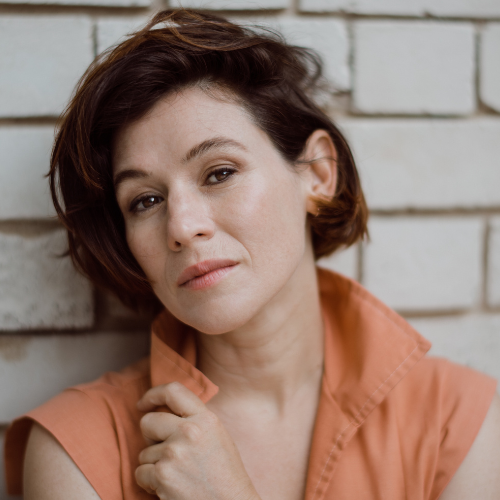
In January 2020 at the height of the Australian Black Summer bushfires, Yael Stone, international stage and screen actor, best known for her work on Orange Is The New Black announced that she would be abandoning her US Green Card, returning home to Australia as a symbol of her commitment to working on climate action. From there, Yael conceived and founded Hi Neighbour; a community organisation that provides scholarships to support local workers moving into clean energy careers. Sharing awardees stories Hi Neighbour seeks to build social licence for an equitable energy transformation and the next generation of clean energy heroes.
Yael was the subject of ABC’s legacy program Australian Story alongside her partner Jack Manning Bancroft, highlighting their collective commitment to a healthier, more equitable planet. She is a regular participant in public conversations regarding climate action including appearances on ABC, the BBC, CNN and has been a contributor to The Guardian, The Sydney Morning Herald, Elle and Vogue. Yael continues to balance her work as an actor alongside her leadership role at Hi Neighbour. She has just been nominated for an AACTA award for her role in the film The Correspondent and is currently shooting a climate focused feature, Wilderness in the Victorian High Country.
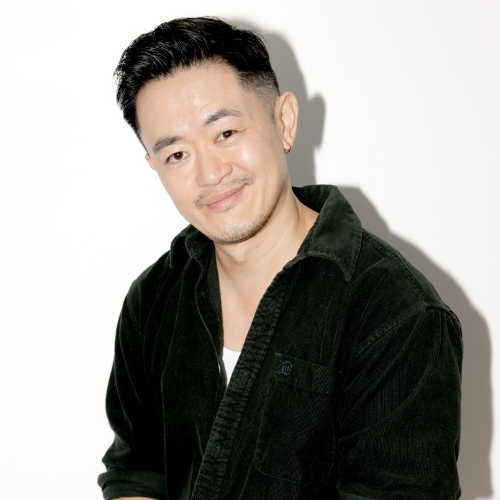
Benjamin Law
Benjamin Law is an Australian writer, broadcaster, playwright, an AWGIE Award-winning screenwriter and prolific interviewer. He is the author of The Family Law (2010), Gaysia (2013), the Quarterly Essay Moral Panic 101 (2017) and editor of Growing Up Queer in Australia (2019). As a broadcaster, he’s hosted shows for ABC TV and Radio, SBS and Ten. He’s written for over fifty publications in Australia and beyond. His most recent work adapting Dying: A memoir for the stage garnered praise for its disarming humour.
Benjamin has a PhD in creative writing and cultural studies from the Queensland University of Technology (QUT). He is a board member of Story Factory and Co-Curious, and in 2019, he was voted one of the 40 Most Influential Asian-Australians. He works and lives on Gadigal Country (Sydney), part of the Eora Nation.