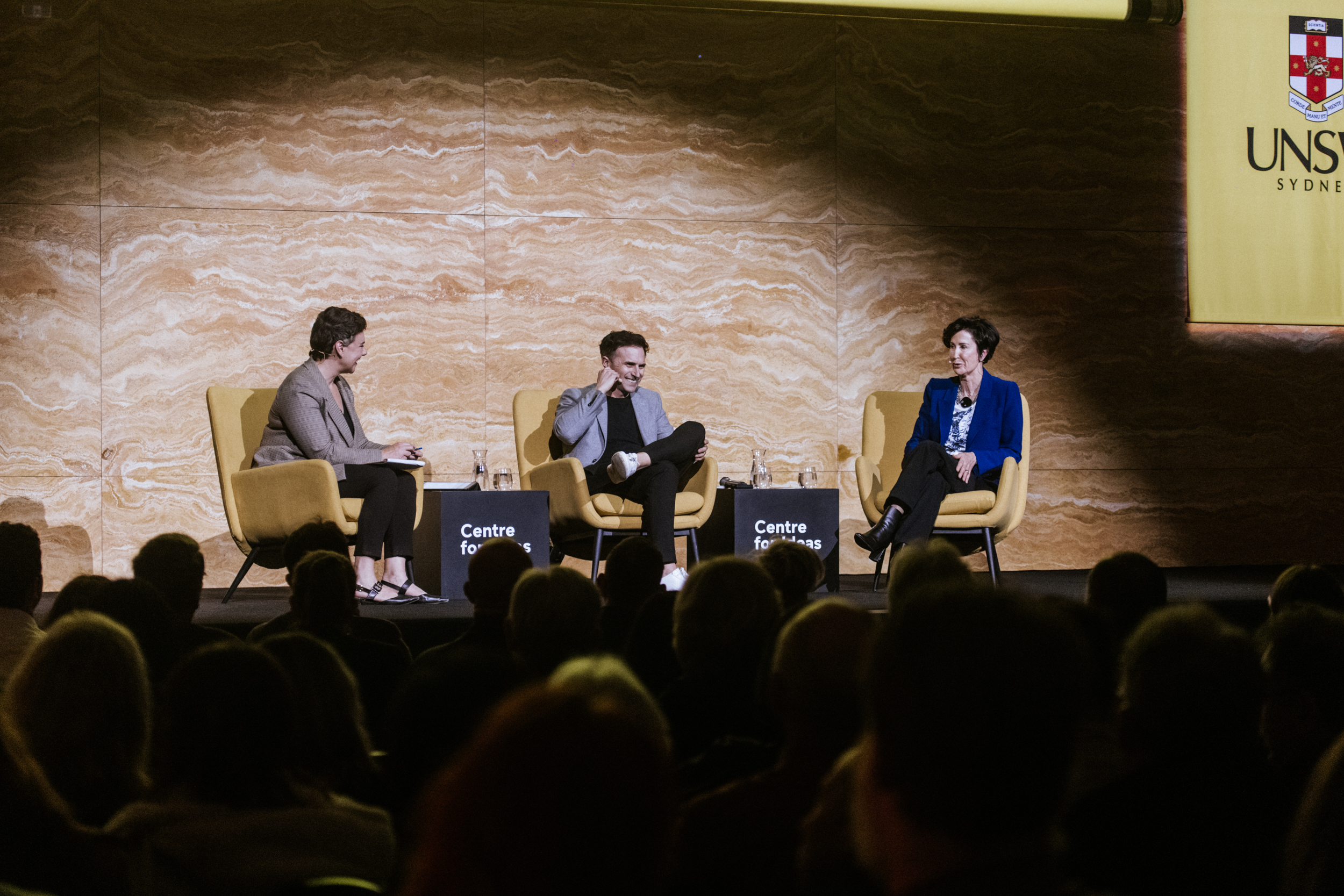
Voice, Treaty, Truth: Why does Truth come third?

Why does truth come after justice (Voice and Treaty) in the Uluru Statement from the Heart sequence? What role do historians play? Do Australians "know and forget at the same time"?
Following the issuing of the Uluru Statement from the Heart, some academics and organisations assumed truth-telling was a proposal that could be cherry-picked from the Uluru sequence and run separate to or adjacent to the primary constitutional proposal for a voice.
There were some academics who adopted a comparative and transitional justice approach and applied frameworks from other jurisdictions such as Latin America to the Uluru framework. Yet the community constitutional dialogues run by the Referendum Council revealed some important features of the Australian situation that distinguishes “truth-telling” here from other jurisdictions.
Moreover, insights provided by the community into Australia’s flawed reconciliation process and the state’s use of truth-telling as a way to avoid substantive rights, highlight the need to pause and reflect on the deliberate sequencing in the Uluru Statement.
This seminar will explore this issue as discussed in a seminal essay by Australian Historian Kate Fullagar about why truth-telling is sequenced third.
Read Kate’s essay here, and join us to hear two eminent Australian historians and two Aboriginal public lawyers discuss Truth-telling in NAIDOC week.
Special guests:
- Professor Megan Davis, Pro Vice Chancellor Indigenous, Balnaves Chair in Constitutional Law and Professor of Law
- Professor Kate Fullagar, a professor of history at Australian Catholic University
- Professor Mark McKenna, a professor of history at the University of Sydney
- Eddie Synot, lecturer and PhD candidate at Griffith Law School, and Centre Associate at UNSW Indigenous Law Centre
Chaired by Professor Gabrielle Appleby, UNSW Professor of Law.
Event hosted by Office of the Pro Vice-Chancellor Indigenous for the UNSW program for NAIDOC Week 2021.