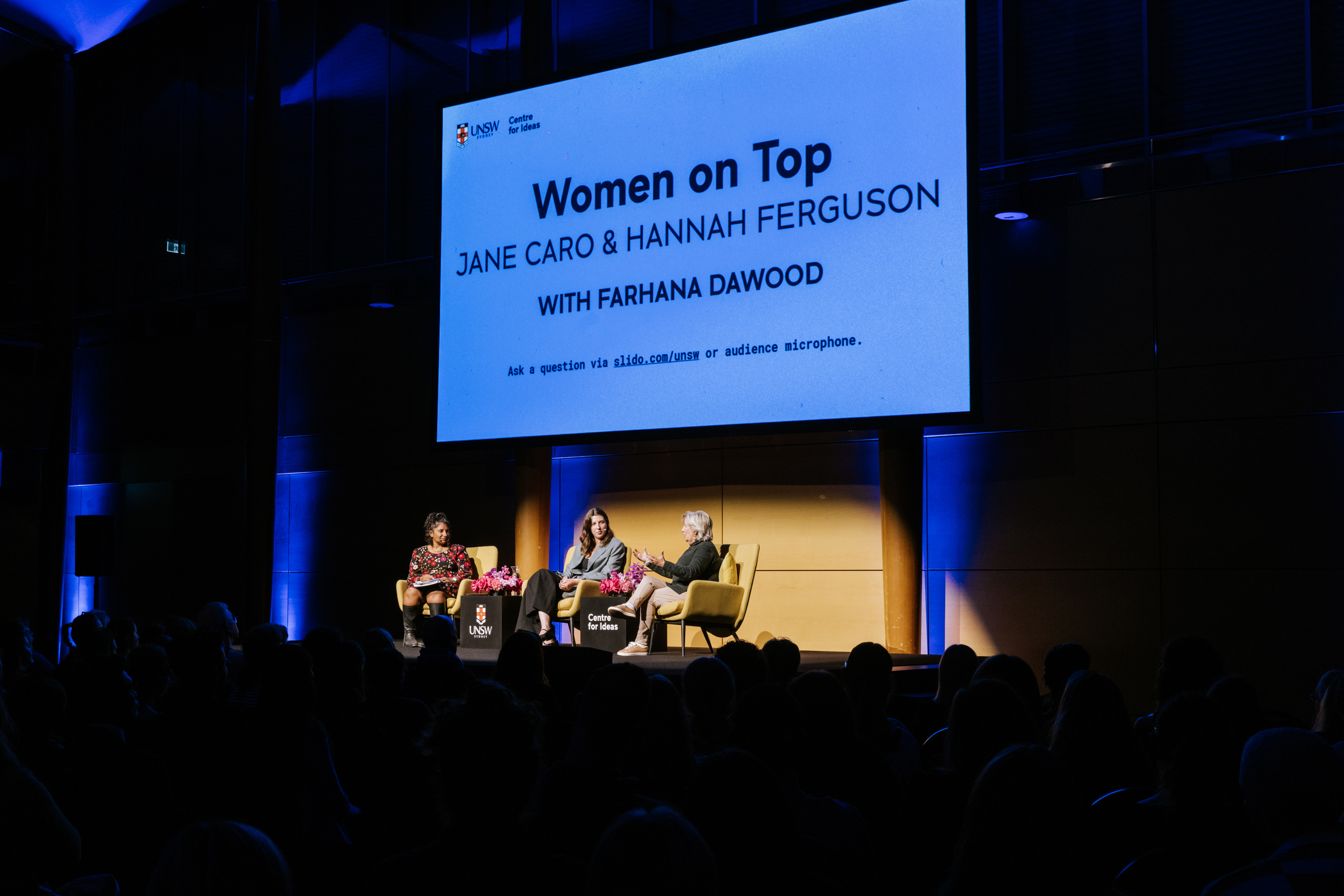
Women on Top
The point of feminism is the power to be yourself.
Hannah Ferguson | Jane Caro | Farhana Dawood
Statistics can sometimes paint a rosy picture. Women now make up half of federal parliamentarians in Australia, more women graduate from university than men, and over 60% of Australia’s Winter Olympic team in 2026 were women.
But the reality of gender equality and progress is disappointingly stagnant if not downright regressive and concerning. From the alarmingly high prevalence of gendered violence online and in relationships, to the burden of the mental load in household chores, to the uneven playing field in which women are promoted and paid. When even the most accomplished women are exposed to everyday misogyny and double standards, the question must be asked: is this the kind of progress the feminist foremothers had in mind?
Hear authors and leading women’s advocates, Hannah Ferguson and Jane Caro alongside journalist Farhana Dawood as they explore the reality of gender equality. Women on Top is a candid conversation about feminism in the age of the manosphere, the real and perceived gains and losses in Australia and globally, and how we can confront the truth.
The fundamental belief that women are worthy simply because they are, would solve so many crises in the feminist movement.
Podcast Transcript
Farhana Dawood: Hello, everyone. Welcome. Good evening, and welcome to tonight's event: Women on Top. My name is Farhana Dawood. I'm a feminist, and a journalist, and an academic.
Before we kick off, I want to acknowledge the Bidjigal people, who are the traditional custodians of this land. I pay my respects to their elders, both past and present, and extend that respect to other Aboriginal and Torres Strait Islander people who are with us here today.
Tonight, we're here to explore the reality of gender equality today. That's a period shaped by the rise of the manosphere and the resurgence of tradwives. On a positive note, 9 out of 10 Australians say gender equality is important. Our country is currently ranked 13th globally for gender equality. That's the highest score we've ever had.
Joining me here to talk about that, and a whole lot more, are the wonderful Jane Caro and Hannah Ferguson.
Jane Caro AM is a Walkley Award-winning columnist, author, novelist, and social commentator. She's a feminist and an advocate for public education. She's written 14 books, the latest one –
Jane Caro: I’m old, I’m old!
Farhana Dawood: The latest one, entitled Rich Kid Poor Kid: The Battle for Public Education. In the middle, in the spotlight, we have Hannah Ferguson. She's the founder and CEO of Cheek Media. She's a Forbes 30 Under 30 honoree. She's also the co-host of Big Talk Small Talk podcast. Hannah's the author of 2 books, Bite Back and Taboo,
Hannah Ferguson: Only 2, not 14, but I'll get there eventually.
Farhana Dawood: Right. First up, I'd like to talk to my 2 wonderful guests about the title of tonight's event, Women on Top. I'm going to take the liberty of saying what I think that means, why we've called tonight's event Women on Top. To me, that means centering and foregrounding women and their experience in a world where they're frequently sidelined. Consider it a micro feminism to flip the gender script. Jane, what does the title Women on Top mean to you?
Jane Caro: Yes, when I first heard it, I thought, “oh, I don't think we are”, because I kind of saw it as being on top of everything, like having it all together, and first of all, I don't think we do, but then I thought, “but nobody ever does”, and what I don't like is the kind of feminism that's always about, sort of “boss girl” feminism, that idea that women have got it all together and they've got it all under control, and they're amazing. Because for me, that's not what feminism is. We don't have to be better than anyone else, better than men to deserve equal rights. We don't have to be kinder or more honourable or smarter or any of that shit. We can be just as lazy, ugly, flatulent, useless, and hopeless, and venal, and chaotic, and out of control as men, and completely deserve full human rights, and to be entirely ourselves rather than playing a kind of part, which is what I think womanhood has been for a very long time a kind of “lifelong performance”, and so I am not very keen on the idea of Women on Top. I just like women allowed to be wherever they bloody will want to be that particular day - high, low, somewhere in between. Who gives a shit? What you want to be.
Farhana Dawood: Fabulous. Hannah. Your thoughts on our title?
Hannah Ferguson: I mean, I like Jane's sentiment, the idea that really an incompetent woman should be able to fall upward in the same way that incompetent men do into our parliaments every single day.
Farhana Dawood: Oh yes please, yes please.
Hannah Ferguson: That's really what we're aspiring to, is it? No, it's not.
Farhana Dawood: Yeah
Jane Caro: Well yeah, it should be. We all strive far too hard, and everyone's exhausted. It's not working. Look at the world.
Hannah Ferguson: Is that it? Are we all sort of content with that for the night. Like, shit, women can get into power positions too, and that is the aim in some ways too. Like, there is always this idea in power structures right now that you have to be the perfect woman to succeed. I mean, I think Annabel Crabb's book, The Wife Drought, put it really well in framing the idea of one of the major failings of feminism is not that we got women into the workforce, but that we didn't get men out of it. We failed to get men into the home, or we failed to get that equality at a structural level. Instead, women are just doing everything, they're exhausted, and we're saying, “we've got the gold star now”. So, Women on Top, I agree, it's not that we're aspiring to be the same, but that actually we should ask men to be doing more, and that we should be stepping back and saying, “we can be shit sometimes too”.
Farhana Dawood: Yeah.
Jane Caro: Yeah, you know, basically I don't blame feminism for not getting men out of the workforce. Feminism did its job. What has not happened is, and women have changed beyond all recognition in my lifetime, in terms of what they expect their lives to be like, and who they think they are, and what they're entitled to. It's been extraordinary, probably the greatest revolution of any kind, at any time in history. But men have hardly moved. Now some men, not all men, some men obviously have, but as we are seeing right now, far too many have not moved at all, and that is the issue.
Farhana Dawood: Okay, well, that very nicely plays into my next question, which is, “what do you think about the current state of play of gender equality?”
So, I'm going to ask you first, Jane, as a boomer, if you could give us a scorecard, please. Think about when you first became a feminist, maybe 50 years ago in the 1970s - What are the standouts in gender equality for you over this timeframe?
Jane Caro: Well, it's pretty much what I just said, that it's been actually the incredible change in the way women feel about themselves and being a woman. When I was born, everybody was disappointed when a girl was born, and that was perfectly okay. We’d joke about it. Men would say things like, when they had sons, "Well, at least I'm not shooting blanks”, because to have a girl was to shoot blanks, and this was accepted. Everybody laughed along, men and women alike. That change has been extraordinary. And basically, what I think, and Gisele Pelicot put it particularly well when she said, 'shame has to change sides”, is that women, particularly of my mother's generation, she's now 95 and has been a feminist all her life. Were taught to be ashamed of their gender from the very beginning, taught to be ashamed of any bodily functions that were peculiar to being women, taught to be ashamed of how they looked, taught to be ashamed of what they couldn't do, and ashamed of what they could do. So, if you were really smart, that was shameful too. You mustn't - my mother had written in her autograph book, which they had back in the 40s, when she was a young girl, “be good pretty maid, and let who will be clever”. In other words, that was a real put down of “you're too clever”. So, she had to be ashamed of being clever, and so women were just routinely shamed, and what I think is happening now, and it's been happening for some time, and I watched some women, young women comedians, and, and some of the things they'll talk about that even me as a feminist stole my life, I was a bit shocked, you know, the contents of your knickers and things like that, the, was it Amy Schumer was very big on that kind of stuff, and I thought, “well, this is ridiculous of me to feel ashamed of that. It's a bodily function, it's human”, and that to me is the greatest and most profound and most powerful change that women are not ashamed of being women any more, and they never will be again, and that is incredible power that they've taken back.
Farhana Dawood: Hear, hear. Okay, Hannah, same question to you, but obviously your timeframe is a little bit different. So, perhaps thinking, taking account of the last 10 years, what are the standouts of gender equality for you?
Hannah Ferguson: I mean, Pauline Hanson succeeding, isn't that something for women? That's a firm joke. Please don't clip that up for social media.
Jane Caro: It’ll be the front page of The Australian tomorrow,
Hannah Ferguson: “Hannah Ferguson endorses Pauline Hanson”. No, that isn't, absolutely not. I think that one of the things we need to be looking at right now, is it's hard to look at the rise of One Nation. It's hard, who are running on a blatant anti-women, anti-reproductive rights platform right now. It's hard to look at Donald Trump in the White House. It's hard to see rapists being elected to positions of power and think that gender equality is moving forward when we clearly don't vote with women's rights in mind, with women's bodies in mind. So it's incredibly frustrating as a Gen Z, as a 27 year old woman in society, to feel hopeful and optimistic about where we're headed, but also I think we need to put it in context that you know I hear a lot of women my age who'll go out for a wine or go to brunch and will complain about the side effects of the contraceptive pill, but I might ring my Grandma and then remember that, you know, she didn't have the contraceptive pill for a period of time in her life, and then suddenly her world was changed, because she could suddenly decide, you know, about her body and how many children she was going to have, and you know, she wasn't allowed to work when she had children. So, as much as I can sit around as well, and complain with my friends about the fact that maybe our reproductive access isn't great right now, I also need to acknowledge the women that have come before us, and the major changes that have happened, even in my lifetime. I think one of the things to point out, too, though, in my work over the last kind of decade, especially of being a young woman in Australian society, I think what is confronting is to realise that every major change that has been won for women has come off the back of something horrendous happening to women. When we see a national plan for domestic violence, it's probably because the rate of women being murdered by their intimate partner is higher that year. When we see major workplace changes, it's because Brittany Higgins came forward. When we see changes to child sexual abuse laws, it's because countless survivors, including people like Grace Tame, came forward and shared their story. So the cost on so many people at the forefront of these movements that have made change because they haven't asked nicely, but they've pushed down the door, also needs to be acknowledged that harm has to be on display for leaders to make change, because in all likelihood they're men that went to private school that don't have the experience themselves.
Jane Caro: Yeah.
Farhana Dawood: Indeed. Okay, I'd like you now to think about your feminist heroines, so who were your feminist heroines? I'm going to take lead there first. So, the question is, “who are your feminist heroines, and what do you think are the most important issues in feminism today?” I'm going to take the liberty, as I said, of going first. So, for me, as a teenager in the eight, in the 1980s and the 1990s, half a century ago, Madonna was a feminist heroine to me. And then around a decade ago, I would say my feminist heroines changed. They were at that time, around a decade ago, Jacinta Ardern, the then Prime Minister of New Zealand, and Malala Yousafzai, the girls' education advocate, and then now today I would say that my current feminist heroines are Antoinette Lattouf, an Australian journalist, and Francesca Albanese, the UN Special Rapporteur on Palestine. And as an Australian feminist, I would say the most important issue in this country is the rate at which women are being killed by men - the femicide. And unfortunately, right now the startling figure this year for the number of women lost is 30. Over to you, Jane, Hannah, who'd like to go first?
Jane Caro: Yeah, my feminist heroines. When I was a kid, they were very thin on the ground. It was really hard to find women as role models, and once, the ones you, the ones you could find, all came to sticky ends. But eventually I found Elizabeth I, and the one thing I want to state again is I don't think my feminist heroines have to be perfect or politically correct. I just, they're just women that have inspired me with their strength, and often their stubborn refusal to do what was expected of them, because the thing about Elizabeth I - and I've written three young adult novels, a series about her - is that she was a neglected child, and you know, huge disappointment when she was born as a girl. In fact, her mother lost her head because of it, but she ended up being considered, you know, this great leader, this extraordinary monarch, and she held on to her power because she used her intelligence, and she looked at the world, and she thought “it's not a good idea to get married and get pregnant and have children for all sorts of reasons”. One of them might have been that her father cut her mother's head off. No male historian has ever clocked to that one, but it struck me straight away - It might turn you off the whole idea, and there's a number of other reasons. But what Elizabeth I did was, all my fairytales were about, you know, and then she married her prince and lived happily ever after. And what I realised about Elizabeth I is that she became her own prince and rescued herself and refused to ever share power with a man or with a son, both of which would have taken her power away from her. And the older I become, the more I'm interested in women and power. That doesn't necessarily mean domination, it means the ability to have agency. You turn the power on, you make the lights come on. It's how you actually change things, but also power, your own personal power, and how to hold on to that. So, some of the feminist heroes I've had, and a lot of people in this room will groan when I say this person's name, but I've always admired her is Hillary Clinton. I don't always agree with her politics, but my God, that woman has stood up for women and women's rights for as long as she's been in the public eye and never taken a backward step on them, and that's hard. And getting into power is not possible without compromise and without having to somehow play the game and go along with it, and so to have a condition which says “we can only have women in power if they're perfect” or if they tick all the right boxes, that means we won't have any women in power, or not very many, because it's too hard. You only have to see what happens to women in power - Jacinta Allan, at the moment in Victoria, even Jacinda Ardern, who the rest of the world adores, but New Zealand can't stand her, so we have this terribly high idea of what a woman in power is allowed to be, or a hero, a woman hero is allowed to be. They have to be perfect, and I am not interested, and I don't believe they exist anyway. I don't know anyone who's perfect, and if I did, I'd probably hate them. So, my female heroines are all the imperfect women, many of whom have been failures in the judgement of the world, but who stuck their neck out and tried and did what they could to move things forward and to be a model that women can exercise power, whether it's in politics or in any sphere, and do it no worse than men do it, and often better, because when women do get into positions of power and influence, the thing that I think is really great for particularly progressive women is that they actually have more driving them than just self-aggrandizement. It's not just about their ego, it's whereas I think with Pauline, it probably is an awful lot about her ego, it's actually about spreading it more widely, particularly with other women. Julia Gillard's misogyny speech - there's a lot about Julia Gillard I totally did not agree with. On education, she was shit. But that misogyny speech is absolutely one for the ages, and so she's a hero of mine for that.
Farhana Dawood: And the second part of the question about the most important issues in feminism today?
Jane Caro: Well, the most important issues in feminism today is the backlash of the manosphere, the rise in violence, the rise in the attempt to re-shame women to make us take back the shame for sexual assault, for sexual abuse, for domestic violence, for daring to stick our heads above the parapet and say “we want what you got”, that all, and the, and the ramping up of the viciousness of the tactics that are currently being displayed, particularly in the US, where women are dying now in car parks and things, because they're bleeding out due to miscarriages, that you know, because the baby has a heartbeat, can't be, they can't get cared for, to be pregnant in some states of America right now would be to be terrified, literally terrified, and what we're seeing in Afghanistan with the literal annihilation of women, and what we're seeing now in America, as well, not only are they, have they flipped Roe v. Wade, and not only are they now doing things like threatening the death penalty for any woman who seeks abortion because they're pro-life, you've got to understand, and but they're now going after contraception, so they know exactly the trajectory of women's, and I'm going to use the old-fashioned word “liberation”, and it was the contraceptive pill you can mark it from 1960. That's when women got control of their bodies, that's when suddenly, the fact that we've been outperforming men in education for over 100 years suddenly became useful to us, and we could exercise our education and go out and earn our own money, and you know, have all that kind of parent agency that mothers and grandmothers couldn't even dream of. They know that that's what liberated us, and so they're going after it with deadly efficiency to take us back, and that's the greatest issue in feminism today.
Farhana Dawood: Hannah heroines, and the greatest issues in feminism today.
Hannah Ferguson: I think there's like two distinct types of feminists that I really admire, and one type we've all said is Jacinda Ardern. She really approaches everything she does with this kindness and this light that, frankly, I could never attempt. Like, I think a lot of us in the room are like, “isn't that so beautiful? How everything she does is so positive and joyful”, and I go, “you are so brave”. She surely must just want to lash out and scream the F word occasionally at these people, right? Like, I watched her Prime Minister documentary last week, I just cried like five times during it, it was devastating. I really admire the compassion and the positivity and the kindness she brings to everything. Couldn't be me.
But then the second category is feminist women who just don't give a fuck anymore, and I have so much - that's you.
Jane Caro: Pretty much.
Hannah Ferguson: I admire that in you, in Wendy McCarthy, another amazing Australian feminist who I think, with age have been invigorated to care less and less and just get out there and say the thing that needs to be said and I know as a 27 year old I'm so consistently worried about how I land and how I'm perceived and what I really admire in the feminists that I look up to is that there are different theories of change in pragmatically approaching political conversations by bringing everyone in and bringing everyone along for the journey, but then there's the conversation that a lot of women just need to be told to like themselves more and respect themselves more and leave relationships and leave horrible situations, and there's this spectrum that needs to occur, and what we tend to do in leftist spaces is tell people that only one works, and actually I think the only theory of change that is wrong in the feminist space is the one that says there's only one. I think that is the most problematic and jarring for women moving ahead at all. And I think that always I look up to the feminists that don't care, that still lead with compassion, and that still care for making society a better place, but that really are willing to say what needs to be said, which others are too scared to, for different reasons.
I think the, and coming back to that, you know, the biggest issue, actually, the issue for me that underpins all is if women were fundamentally taught to respect ourselves and like ourselves from an earlier age, and to believe that we were equal, and that's not to place the responsibility on women, but to say that so many of us end up in scenarios where we feel compelled to be in bad relationships, because it's better than being alone, because that is the measure of your value as a woman, that you shouldn't pursue education, or you shouldn't pursue travel, like the fundamental self-respect and belief that you are worthy simply because you are, that would solve so many crises in the feminist movement. The reason that we have trad wife movements is because women have been told they have to do it all, and that they'll also never be enough. And I think having sympathy for those women and saying “you've been expected to carry a workload, a household, and to be the perfect wife and mother”. Of course, being able to, you know, be invited by the conservative movement to lighten the load by giving up work would be, you know, something that would be enticing, right?
Jane Caro: It's giving up the only thing where you get paid.
Hannah Ferguson: Yes, it is financial abuse, blatantly. But I understand why conservative movements have weaponized this, and actually the fundamental belief that women don't have to carry it all, and that we are valued because we are just who we are, would solve a lot of these psychological issues that are weaponized in society by conservative movements, and they are concerted information campaigns that have a lot of financial backing that are spent on women hating ourselves and each other.
Jane Caro: Yeah, each other is particularly potent. Mind you, there's always been a trad wife movement all the way through feminism. I remember back in the 70s there was a group that called themselves “the women who want to be women”, nobody could ever work out who was stopping them, and they were very much about the trad wife - I love being at home, I like baking, I like pinafores, all that kind of thing, and they always die because all of them get to a certain age, their husbands dump them, leave them, go for a younger woman, and they end up living out of their car because they didn't take the money.
Hannah Ferguson: And this is why, what I mentioned before about just saying the thing, Jane's just saying the thing.
Farhana Dawood: I'm going to actually, before I ask my next question, I'm going to go to some fantastic questions that you guys are bringing up, which plays on what we've just been talking about, there is one in particular I wanted to focus on, which is, yes, what do you? Because you talked about trad wives, there's always been a trad wives movement, and we've talked about some of these re-occurring issues. Somebody has asked, Anonymous, great question, “what do you think is harder to shift: laws, workplaces, media narratives, or what happens around the dinner table?”
Jane Caro: it's probably what happens around the dinner table, and it's, but more even than that, it's what happens inside ourselves, because I think a lot of the backlash currently is driven by fear, male fear, actually, of having to give up advantage a lot of the time, but also of just losing a kind of clarity about what a man is, because you know in patriarchy it isn't just women who were performing roles, it was men who were performing roles too, and a lot aren't ready to give up their part yet, because they're frightened that when they stop acting the role they won't know who's behind it, so I think a lot of it is what you were saying about liking yourself, bringing children up to be themselves, not to fit a particular gendered box, which we have been doing so rigidly for so long, and I think that's the whole ghastly current homophobic and particularly transphobic thing that's going on, which horrifies me. It's, you know, such bullying on such a huge scale. I really have no time for gender critical feminism at all, and I hate that feminism has been hijacked to abuse a minority, but and that's part of that fear of losing those very clear but rigid roles that we brought all our children up to conform to, and so I think it's actually much more about what's going on inside ourselves, and maybe enough of that has, is changing, is why we're getting the backlash from the powers that be, because they liked those roles, because it enabled them to make us all more or less unhappy, more or less fucked up, and therefore more or less controllable.
Farhana Dawood: Hannah?
Hannah Ferguson: I disagree. I think, I mean, I agree, of course, but the reason,
Jane Caro: You can disagree.
Hannah Ferguson: Let's fight Jane. The reason I disagree is because I think the answer to that question is follow the money, because the dinner table is directly impacted by the media narratives that have influenced what you've heard and read that day, and the legal system, or you know, the government's introduction of legislation is influenced by the media narratives at play, and the corporations that are lobbying them. So, if we look at workplaces and media narratives, they're the hardest to change, because that's where the money is, and they are influencing dinner table conversations, because they have the control of the narrative of the day, and they are influencing legislators, because there are vested interests at play. So, I agree that there is something inside ourselves, but I think that what One Nation represents, in many ways, is they're permitting people to say their most horrible thoughts, but they are still being influenced by the narratives of the day that are deeply untrue, like the narratives that are existing in the media today are pushing and platforming One Nation, they are not challenging One Nation, and we all have a responsibility to be pushing back, but I invite you to go and speak to any One Nation voter and ask them about their policy platform. They don't know. This is all based on vibes, it is based on feeling, and that feeling is anger that they don't know where to direct their vote towards. And One Nation is capturing people, and the media is helping them, workplaces are helping them, because employers, the richest in society will benefit from Pauline Hanson being in power, so the dinner table conversation is just the sort of the bleed down of what's happened at the top layer, and if we could communicate and lobby our government to do more to act, One Nation wouldn't be as big of a threat right now.
Farhana Dawood: Okay, before I ask my next question, I'm going to again go to the audience, because this question has, or very similar to the question I had. So, the question I have is, “how can we improve the branding of feminism?”
Jane Caro: Feminism is not a brand.
Farhana Dawood: Before, yeah, I just wanted to give you an example of what I mean by that. I'm going to share a bit of an anecdote. A friend of mine recently, she's got a late primary school age child, and she told me that this child came to her and said, "So, Mum, feminism, that's a bad thing, isn't it?” So that's a problem. So, if we need to, I'm going to ask you first, Jane, because of your background in advertising. So, my question is, “How can we improve the branding of feminism?” And from the wonderful audience, they also have a question here, somebody, “if feminism had a PR team, what message would you retire immediately, and what slogan would you replace it with?”
Jane Caro: Okay, first of all, feminism is not a brand, it is a revolutionary movement, which is formed to redistribute power. Okay, that's what it is. Hence, you're right - follow the money. So, we are never going to be able to make feminism palatable, and the day that we do, feminism is dead, because feminism is meant to disrupt, it is meant to make people uncomfortable, it is meant to reveal inequality. It is meant to make you feel, “you've made me feel a bit uncomfortable”. Good, good. Maybe you'll think, maybe you'll think, maybe you'll see. It is a revolutionary movement. We've always been trying to dress feminism up, power girl feminism, go girl feminism, corporate feminism, sexy feminism, frilly feminism, women can have it all feminism. It's all bullshit, and it's all driven by corporate desire to monetize feminism. Feminism has to stay an uncomfortable, difficult movement until the day feminism is no longer needed. Nobody ever says, how can we rebrand anti-racism? So, even in the question, there is misogyny.
Farhana Dawood: But the reality is that's the question that this mother, and I'm sure she's not the only mother who's being - and she's obviously a feminist -
Jane Caro: Say what I just said.
Farhana Dawood: - is being asked by her late primary school age child. I had a late primary school age child, thank goodness he never asked me, and that was, you know, he was in late primary school a decade ago.
Jane Caro: Say to -
Farhana Dawood: He didn't ask me that question, thankfully, because he
Jane Caro: tells them it's a revolutionary movement designed to redistribute power, so that girls have as much power as boys, and anyone who disagrees with that is not thinking straight about fairness.
Farhana Dawood: Yeah, I'm guessing that was part of her answer, but obviously I'm guessing that question came from the fact that this young boy, young, is his, some of his influences are part of that lovely manosphere, but over to you, Hannah.
Hannah Ferguson: I think that you know I've spent 5 years on social media every day, which is sort of a prison sentence in many ways, to have to watch, you know, politics play out and social movements play out, especially over the last 5 years, you know, in the geopolitical environment we find ourselves in, and the one lesson I've learned is to become sort of less attached to the language. Like, I understand, and I agree that feminism is a revolutionary movement… entirely in agreement, but I think that what we need to realise is that in the question around the branding of feminism, the inherent problem has been that so many people are fakes and wear it as a brand. And therefore, it no longer communicates anything to me when a corporation or a politician or someone in a power structure gets the pink cupcakes out in the first week of March.
Jane Caro: That’s bullshit.
Hannah Ferguson: It’s bullshit, right? And so, we need to then look at “what does fairness look like?”, because actually I think that if we were to strip back the language of feminism and put to the Australian public a series of questions about what a fair society looks like, we would find ourselves in a position where we go, “okay, everyone agrees with gender equality, actually”, and “everyone agrees with this intersectional movement we're trying to build”, and that might some of people might think, oh no, that's not the case, but, and again, I hate to bring it up, but Pauline Hanson is winning on a rhetoric where she believes she's going to be for the Aussie battler. Now that's inherently a fairness message. She is not the accurate representation of that, and her policies do not speak to that. But running a fairness agenda in this country is incredibly popular, because people want to be lifted out of poverty and to just live a life happily, right? What we aspire to in Australia are very fair things. It's not over the top. We are all about kind of being the “humble nation”. If we strip back the language -
Jane Caro: Except for all those private schools.
Hannah Ferguson: Yeah, do we need another session for that? I feel like private versus public education, we could have another three hours. But, I think when we're talking about the branding of feminism, I am trying actually to communicate that we need to judge people less and less on whether they're willing to use the words. There are people I love who are very close to me that will not identify as a feminist, and it's because what the Murdoch media has effectively done is made us out to be the least fun person at a party, and no one wants to be that gal.
Jane Caro: I will give you all in the room, who are younger, including you, Hannah, a bit of hope. When I was young, no one identified as a feminist, no one would use the word except me and my best friend, and now I don't know a woman of my age who doesn't call herself a feminist, because it isn't just being female that radicalises women, it really is, in particular, getting older and seeing the way the world changes its gaze from you like invisible, and also it's if it happens to you, marriage and motherhood that radicalises,
Hannah Ferguson: And that's great, but I also think what I'm saying is I'm not going to judge someone or excommunicate them from the left
Jane Caro: No, no, no. Nor will I.
Hannah Ferguson: because they don't use the word, I think it's something where, like, you know, everyone's dated a guy that says he's a feminist in his Instagram bio, and he's the worst guy you've ever met in your life, right? Like, that's happened to most young women I know, and we really need to get used to also saying, like, that is not the judgement call of use the language. The language is not the measure, the action is the measure, the belief system is the measure.
Farhana Dawood: So it’s all about walking the walk rather than talking, yeah.
Hannah Ferguson: Yeah, and I think getting less hung up on judging people and whether they're willing to identify with all the language and instead on actually what they do in their day-to-day life.
Farhana Dawood: Okay.
Jane Caro: I would agree with that completely.
Hannah Ferguson: That’s good. That’s 1.
Farhana Dawood: We've got some agreement. Excellent. Now closely related to what we were just talking about, if the manosphere - this is from the audience – “if the manosphere is selling certainty and collective community, as terrible as it is”, this person says, “what should feminism be selling instead?”
Hannah Ferguson: Lots of, lots of corporate language around feminism this evening?
Jane Caro: Yeah.
Hannah Ferguson: What are you selling?
Jane Caro: Being yourself, being yourself, that's all I'm selling, it's all I've ever sold. And I think women have as much right to be themselves as men do, and that's the point of feminism, really. And the redistribution of power is also about the power to be yourself, that's what the transmit, it's about being themselves, regardless of what anyone else thinks, and so I think that that actually is a much more empowering message than certainty or a sense of community, because sometimes communities actually are cults, and that what you have to do is change yourself to be allowed to belong to that community, and I would say that the manosphere is incredibly rigid in its definition and its approved behaviour for men, and so anyone who joins the manosphere, yes, they might find certainty, a kind of rigid certainty, but they are going to also find that they are held in a very tight, kind of captured by it, and having to pretend to be something they're not, and I think that feminism is exactly the opposite of that, or it should be. Obviously, everything gets corrupted, and there are shit house parts of feminism, like there are shit house parts of every movement that you can find. But I think feminism, at its essence, was an attempt by women to say, “we want to be ourselves, whatever that is”, and that's the liberating message for men too: be yourselves. And I think that's why nobody has a big hissy fit about trans men. You'll notice trans men are not a big issue, it's trans women, and that's because that's partly indicative of people deciding to be themselves in a way that men, in particular, were supposed to be totally ashamed of being associated with anything so-called feminine or female. So, I think feminism needs to sell, this is a movement about you being who you are.
Hannah Ferguson: I agree with that entirely. I agree that the manosphere is not selling collective community, they are selling self-hatred, they are selling,
Jane Caro: It’s a cult.
Hannah Ferguson: They are selling to men, yeah, a multi-level marketing scheme that you'll never be enough. And it's funny, it's like bio-hacking and looksmaxing and all of these kind of emerging trends, it's always like this self-improvement, but it never includes going to therapy. Like, why don't you see a psychology? It would be, I was talking about this today, It would actually be like a coach rather than like a psychologist. It always has to be framed around like physicality and masculinity. It's always about strength and looks, but only in the sense of how you visually appeal, never how you feel on the inside. I completely agree, and I think that one of the things that is a challenge for feminism is that, and I don't think this is the fault of feminism at all, but there are so there are so much infighting, and there is so much discomfort, actually, in, you know, existing on the internet as a progressive woman. No matter what you do, you're going to face criticism from your own community, because there are going to be 100 different viewpoints, because that's what we accept in progressive movements, is there are going to be different viewpoints, and we're tolerant, and we engage, and for a lot of people that's uncomfortable, because that certainty of the manosphere is safe, and the right is incredibly welcoming and celebratory of anyone joining the club,
Jane Caro: All cult movements are like that.
Hannah Ferguson: Yeah, weird, isn't it?
Jane Caro: That’s what they do.
Hannah Ferguson: Yeah, it's like, you know, your mum joining Enjo or the Body Shop too, like you're going to have to sell your soul, but you'll get some free product eventually. And it's this successful cult movement where it moves people up a scale, but they'll never reach the top. And what is tough about progressive spaces is it's continuously asking you to be more understanding, be more empathetic, to be constantly open to changing your mind, and to improving yourself, and to challenging your views, and that is a challenge for most people, especially in the society we exist in, where certainty has been sold as the thing that will be the cure-all, and it just won't be.
Jane Caro: No, and but I also think there is room in progressive politics, and I wish I saw more of it, for allowing mistakes, for allowing people to fall from the pedestal of always being more compassionate, always being, nobody can be like that, and so I think I do sometimes find when there's a pile on on someone who misspoke or even said something horrendous, but by and large they've, you know, been.. I want to say, "Oh, for God's sake, leave them alone. Haven't they? Haven't we all been an asshole many a time in our lives? Back off.” There's a, I wish there was more self-compassion rather than judgmental, “you're not compassionate enough about this group”, rather than, oh, “maybe I'll show a bit of compassion to this person who's said something I disagree with, and I can point that out to them without having to annihilate them”, and, and I do get, I do find that wearisome, and I think it gets in our way, I don't think it's helpful.
Farhana Dawood: Okay, my final question, because there are a lot of questions that are coming through on Slido, and that I want to leave questions for the audience, but my final question, and I'll read one from the audience as well, because it sort of chimes in with what I want to ask. “If we want to improve gender equity and gender equality, what can the people in this room do, especially the men in this room?” And from the audience, a similar question somebody has asked, “It feels like women have put themselves on a permanent self-improvement plan, but how do we gently, in brackets, encourage men to do better?”
Jane Caro: Well, I can answer both of those with the same answer. I've been travelling, particularly last year, promoting a novel which centres older women and men, never very many men in the audience. I'm glad to see a lot of men here, but when the ones that are one of them always asks me the question, “how can I be a better feminist ally”, which is basically that question, and this is my answer. It's so easy, and more than that, it's fun, because what you need to do is you need to buy and read books, by and about women, it's so much easier for men to get published because men will read books by men and very rarely by women. There was research done that showed that women will read about roughly half and half male and female authors, men: 80 to 90% male authors. So just, just for a year, read nothing but books written by and about women, that would be a huge act of allyship, and also you would learn a great deal, so you would, you know, improve, but it isn't just books, it's listen to music made by and about women, watch films and TV series made by and about women, just make a conscious effort to actually centre women, because one of the things we have done with the way we bring up, particularly our boys, is we have taught - we've almost made masculinity anti-female, so you know boys aren't allowed to do any of the things that are seen as girly, it's getting better, but it's still quite strongly there. And what that's done is it's, it's meant that men are taught not to empathise with women. If you think about children's films, Finding Nemo is my favourite example: there is only one female fish in the entire ocean, and she can't remember her name from one minute to the next. So, we have brought boys up, and we've brought girls up to empathise with boys. Hence, the JK Rowling, JK Rowling for a start, not Joanna and Harry Potter series. Why not Hermione Granger? Because her publisher said you’ll sell half as many, so make it Harry Potter, and because girls are taught to empathise and identify with boys and with men, and boys and men are absolutely taught not to empathise with girls and women, hence the violence, hence the abuse, because if you can't empathise with somebody, then you can dehumanise them, and you can treat them appallingly. So, it's easy. Just consume as much creative work that is by and about women. It will change you, and you will change it.
Hannah Ferguson: That's really great. I was about to say, like, from a media perspective, the amount of times people will call me “women's media”, it's just because I'm a woman, it's not because it's particularly women-centred. And I find it interesting, like working in the podcasting media space, I went and did the Imperfects podcast last year, which is one of the biggest interview podcasts in the country, and it's three men that host it, and it's about mental health and vulnerability, and it's, yeah, it's fourth biggest in the country. And I went and didn't like, and they were like, "Oh, thanks for thanks for coming in, and I was like, "It's so good to connect with men and a male audience. I really need to get out of the bubble of women”. They said, "Oh, it's 85% women who listen, they just want to hear three men talk about vulnerabilities” because it's so foreign for women to hear men discuss things like domestic violence and mental health, that their audience is literally women. And contrastingly, I'm not sure if lots of people in the room know the Inspired Unemployed, who are a comedy duo, two guys have got like millions of followers on Instagram, and you know, my co-host is their producer, and I said, like, “what are the stats, is it all just like tradie men”, and she said “no, the gender split is a perfect 50-50” and unfortunately that is because women really want to know how young men think, and I promise you it's not much, like I've listened, and like they're really nice, but yet you know me and my co-host speaking about politics every single week, that is 90% women, and I keep saying to the husbands that are in the car listening with their wives, “can you listen on a separate device? We really need those stats, okay?” We really need male representation, but it is this constant issue of content versus women's content, yeah, and it is the same, and so what ends up happening is that you have Cheek or Mamma Mia lean into women's branding and women's colour palettes, because there is this just blatant belief that men will not come over, no matter what you do, so you may as well lean in and brand yourselves that way, just to get the sponsorship, to get the advertisements, and to clearly market yourself, and it just perpetuates the cycle, and I think what tends to happen every time I do a keynote on International Women's Day, the men come into the room almost with like blackout sunglasses on newspapers over their face, because they're so terrified to be there. They think, “am I supposed to be in the room?” Yes, because every seminar, every keynote, every panel I've ever been to, it is women in the same room hearing the same stats and looking at each other in agreement and nodding, and we are not getting anywhere. And so I completely agree, the solution is for men to just.. and you don't need to be invited, you could sense check sometimes if it's off limits, if it's a discussion about periods in the workplace might not be for you, menopause, actually, you know what the education.
Jane Caro: I think it'd be a great idea if they were included in those conversations. This is a human function.
Hannah Ferguson: I just mean, like, sense check in case it's really not for you. But International Women's Day events like that turn up, you are invited, and you are more than welcome.
Farhana Dawood: Excellent. Okay, so I'm now going to turn to you guys. First question I want to ask is, “what's the worst advice you have ever been given about gender equity, and why is it the worst advice?” Hannah, do you want to start first?
Hannah Ferguson: Behave like a man.
Farhana Dawood: Behave like a man. Oh dear.
Hannah Ferguson: I mean, there are certain women leaders, and I understand it to an extent, too, like I sort of, in the last 5 or 10 years, if you look at politics, and I can see some very, like, masculine traits in certain leaders, like I look at Annastacia Palaszczuk, who kind of was very reserved person who didn't really bring femininity to the role, and I think there's a lot of women that won't touch women's issues or call out gender inequality, I think Julia Gillard avoided the conversation -
Jane Caro: Yeah, until the very end.
Hannah Ferguson: - until she couldn't avoid the conversation, and I think actually there is a belief system that if you are silent and if you ignore the issue, it will go away, but actually for Julia Gillard, the sexism just spiraled out of control because everyone thought she wouldn't respond to it. So, there is also a point at which you need to identify, name, and speak to the issue, rather than just thinking, “if I don't talk about it, if I behave like a man, it'll go away.”
Jane Caro: Mine was, I always remember it, I was trying to rise up in the advertising industry and male-dominated creative departments as a copywriter, and it was, let me tell you, it was tough, but it taught me a lot of good things. In fact, on Twitter now, if somebody trolls me, I always say to them, “eh, I spent 35 years in advertising credit departments. I've been bullied by the wittiest men in Australia. You've got no hope of upsetting me”, and that is true, I developed a skin. But I had one boss who was pretty nice, and I remember he said to me one day, he said, "Jane, you know you're really quite talented”. He didn't say “for a woman”, but it was left hanging in the air. “You're really quite talented, if you just give up this feminism stuff. I think you could go far”. And I said, “but Jack, if I gave up the feminism stuff, there's no point in me doing this. I actually want to make this easier for other women to do as well. I want to change the way ads talk to women. I want to change the way the media talks to women. That's what I'm doing it for”. And he sort of gave a great sigh. And I'd just like to say this to all of you. Those men who said that kind of thing to me are all now they're still working it all, eking out an existence, writing social media ads. Can you imagine anything worse? And I'm on the tele, so fuck them. Hang on to why your purpose, anyone tries to talk you out of your purpose, you know they're giving you really bad advice.
Farhana Dawood: Okay, next question. Also, I'm going to ask one from here, and then we've got a lovely person over there, who wants to ask a question. “How much do you agree with this statement that women can be their own worst enemy?” Well, there's a sigh, there's a nod. Hannah, do you want to go first?
Hannah Ferguson: I think this is a really harsh thing to say. I think some of the worst backlash and sort of nastiness that I've come up against has been women who would publicly say they're feminists, it's really insidious and it's really snarky, and it comes from all the wrong places, and I think it, it comes from sometimes a generational gap too, where there's an anger that Gen Z, is coming through with a different voice, and that's hard to say, because I don't like to undermine the movement by critiquing what's happening inside of it sometimes, but I also think that I want to acknowledge that I have a particular sensitivity to that, because if a far-right man on the internet with no profile picture calls me ugly or says I have a terrible view, I usually just ring them. I've been doing that, I've done that about 10 times this year, where someone sent me a foul message, and I just used the Instagram call function. They've never answered, and they've every single time blocked me.
Jane Caro: Women are not their own worst enemies. They're really not. Women are allowed to be nasty, they're allowed to have different points of view, they're allowed to be mean to one another. That's normal human behaviour. Men do that too, they're horrible to one another, they kill each other in wars. Did you realise? All the time. Women are not their own worst enemies, in the same way as black people fighting for their freedom are not their own worst enemies, and no one ever says that, and nor would they, and nor should they. So, there's misogyny in that statement as well. Women are not perfect, we're not a job lot, we're not all the same, we're not, we haven't all signed, you know, a declaration that we will all go along with this particular point of view. And yes, I've seen women behave incredibly badly, but that doesn't make them my worst enemy. They're not the people in power, they're not the people with the money, they're not the people, they're not the Taliban, they're not the Republican Party, even though there are a whole lot of handmaidens in the Republican party, but they're not the people in power, they're not the people making the rules. No, my enemies are perfectly clear, and they are mostly, I'd say, 90%, men in power, white men in power, and particularly religious white men in power. Those are feminism's worst enemy. Yes, some women can be enemies, but they don't have the same power as the powerful men who are our enemies.
Farhana Dawood: Okay, question over here.
Audience Question 1: I’m so nervous.
Farhana Dawood: Don't be nervous, remember just be yourself.
Audience Question 1: Ok yes, be myself.
Jane Caro: Just be yourself.
Farhana Dawood: That’s what we’re taking away as what feminism is, just be yourself.
Audience Question 1: Hello, I'm Portia. I'm also almost 27 and I just wanted to ask - a big change that I have noticed in the last 10 years is the Teach Us Consent campaign by Chanel Contos, especially in Sydney, and I was just wondering if Hannah or Jane, you guys have any, you've noticed any change over the past 10 years, perhaps in consent, not just in young people, but also in older women, and if you've yeah noticed any big shift, because I feel that there has been maybe one in our generation.
Hannah Ferguson: I think part of the reason - I have noticed a difference - and I think part of the challenge with this is that one of the biggest issues that I think Teach Us Consent and Chanel was really successful in overcoming is actually educating people around the definition of sexual harassment, sexual assault, understanding what bodily autonomy is and what's crossing a line, because I think that for many people the legal definitions and understanding of things like coercion or stealthing, the different aspects of assault and of a lack of consent have been really murky, and people haven't understood actually what's happening to their bodies in those encounters, because it feels like a very fragile system, and it feels like there's a lot of grey area and a spectrum of how that violence occurs and how people judge themselves and what's happened to them, but I also think one of the biggest pieces of the puzzle is that when you do educate and define what these actions are and what they constitute, it also, it means that people have to realise what's happened to them in the past that they may never have reckoned with before, and one of the challenges is a lot of people unfairly will dismiss the experiences they've had in their lives as like that wasn't that, because imagine coming to terms with it 20 years later, or 5 years later, or a week later. What you're having to do personally to reckon with what's happened to you is one of the biggest challenges, and it's so traumatising at any point in your life, but I think that that education piece around just understanding the legal definitions and understanding and clarifying grey area as not being grey area has been one of the biggest changes I've seen, where young women now, you know, go to university knowing that stealthing is a crime, and I think education on those things that would have never been spoken about 10 years ago has been massive. So, Chanel's work, absolutely unparalleled in Australia.
Jane Caro: Yeah, I couldn't agree with you more. I'm also noticing a change at the very beginning of how we bring up our boys and girls, and this is watching my own daughter bring up my, her son and daughter, my grandchildren, and she is extremely gently emphasising consent continuously, so even with, you know, silly old grandparents, so now if I'm going to say goodbye, I remember my grandson when he was about, I don't know, 2 and a half or three, and we'd had a cup of coffee with him and his mum, and I said, "Oh, can I give you a kiss goodbye?” as they were leaving and he said, "Oh no, I'm far too busy”. I said, “can I shake your hand?”, and he, with just the right air of condescension, put his hand out, so I could check that, and it's a lovely story, but it's actually indicative of her teaching her son, and now her daughter, that their bodies are theirs, and that even me, their grandmother, has to say, “may I?”, “can I?”, and, and if I'm told “no”, then I can't, and she polices it between the two siblings, because obviously they're siblings, they fight, and also playing games, she says over and over, the my grandson is older than his sister, and so he has more physical power, and more, you know, maturity, and language, and that kind of thing, and if he's wanting to play a game and she no longer wants to play it, she will simply say to him, “Does she look like she's having fun? If she's not having fun, then we shouldn't be playing the game anymore. Everybody has to have fun for it to be a game worth playing”. Now I see these small changes in the way younger mothers now are bringing up their children as revolutionary. I mean, that's huge to instill it from the very beginning that your body is your own and that no one can touch it without permission.
Farhana Dawood: Great question. Thank you. I'm going to come to you in just a sec, but just to follow up, because what you've just said now gives me hope, and so I'm going to ask this question from the audience. “What gives you hope right now? What keeps you vigilant?” I've got to say, what you were just telling me about how your daughter is parenting gives me a lot of hope. But anyway, over either of you, “what gives you hope? What keeps you vigilant?”
Jane Caro: The strength and humour and absolutely fuck-off-iss-ness of women, and the refusal of women to, by and large, take any of this manosphere backlash nonsense seriously, or to give in. I think women have always had to be incredibly strong, and they continue to have to be, which is unfortunate. I don't expect women should have to be strong all the time, but we do seem to do this to them. Also, I do see a real change in a lot of men who are coming - I love those clips on social media of men taking clips from men in the manosphere - and then unpacking and dissing and pointing out the complete rubbish and self-service, serving nature of what's being said, because I think that's men standing up for feminism is actually incredibly powerful, and what other, ever other social media sins there are, and there are many, that has been more displayed in the last 10 years of my life than I've ever seen it before, and so that gives me a lot of hope too.
Hannah Ferguson: And I think also, you know, social media is a very negative place, but it's been something that's allowed us to bear witness to a lot of things that otherwise we wouldn't engage with a lot of communities and coalitions that we're building, but also normalising things, like I follow, you know, I'm terrible with the economy, I don't, it's one of my weak spots. And then I go and follow 10 financial educators that are women who are teaching young women how to invest in ETFs and retire early and do all these things, and I think of all the women who've started businesses off the back of seeing other women do something they've never done before. There are huge trends of women being like first in my bloodline to live alone, you know. There's all these ideas that are cultivated online that normalise, you know, new social progression and new conversations that otherwise we wouldn't see or be exposed to. And if there is one argument for keeping social media, I think it's what can trend is a lot of positives and normalising a lot of, you know, different conversations that haven't been happening before.
Farhana Dawood: And over here, if you want to ask your question?
Audience Question 2: Hello, please don't end on me, because this is a bit of a bleak question, but I'm, and apologies for the over share, but earlier this year I accessed, like, a medical abortion, so, like, I was very privileged and grateful to be able to access that, although it was kind of trickier to get that medication than I would thought, and with like the anti-abortion protests that happened last week, and you know, the presence of Barnaby Joyce, and all of that, like, what could we do, or what should we be doing to, like, actively avoid mirroring like a Roe versus Wade overturn in the States.
Farhana Dawood: Great question, and we were having a bit of a chat about that in the green room, funnily enough, so I'm going to go to Hannah, maybe first on that one.
Hannah Ferguson: Also, thank you for sharing, that's really vulnerable and a really hard thing to do. So, I just want to say.
I think the first thing to remember, right, and it's something that I've been thinking about a lot, is that, you know, again, these are really well financially backed operators on the far right, specifically I'm going to say Dr. Joanna Howe, who's a professor of law at Adelaide University, who is probably the loudest campaigner in the country on reproductive anti-choice, not pro-life, anti-choice, and there is a lot of money that she invests into spreading this messaging as if it's a common conversation that's happening, and we need to remember actually that we have research from the Australia Institute that says that 87% of Australians support abortion access in some form and that includes 50% of One Nation voters. That's the first thing. The second thing also is to remember that the most you know, the highest rate of agreement and support for reproductive rights access is actually with rural Australians. That data also shows that. This, these are areas which need access to health care and decision making for women's bodies. The conversations that are happening in Queensland, in South Australia, and in New South Wales around this legislation are all attempts to drive into the centre of the public square and narrative surrounding this idea that you know, like women are choosing to have late term abortions willy nilly every day. What they are trying to normalise it, is that that's a conversation that's happening and that's a reality. If it's, you know, sex selective abortion, late term abortion, or who should be prescribing this medication, and what we know is that the average person that is accessing these services is probably doing it before nine weeks, they are accessing prescription medication there in their own home in a safe place. And what these advocates and people like Barnaby Joyce are doing is using horror stories that have no evidence to back them up, or are you know, late-term abortions represent less than 1% in South Australia in 2024 and they require, by legislation in South Australia 2 medical practitioners to sign off after 22 weeks, and there needs to be sufficient, like a medical emergency, effectively. And by people like Joanna Howe and Barnaby Joyce driving this into the centre of the conversation, they're trying to distort the reality of how Australians discuss this issue, and it's disgusting, and it's purposeful. And if we're able to speak to that and say that this is a divisive narrative that just doesn't speak to the reality, that's how we're going to overcome it, not by kind of, and I get it, I'm very emotional about the issue, you can probably tell even in the way I'm talking that it's a really emotional issue, because it's about our bodies and our ability to choose, but the way they're accessing the conversation is by accessing the fringe with which lacks evidence to try and distort the actual conversation that's happening and make it seem like it's something it's not.
Audience Question 2: Thank you.
Jane Caro: I'd just like to say a quick word about abortion, because it's something very close to my heart. I've had an abortion. I once in my, I wrote a memoir many years ago, and I remember Tracey Spicer asked the Sydney Writers Festival audience, everybody in the room who's had an abortion put up their hand, and it was at least two thirds of the audience who put up their hands, so the first thing to remember about abortion is that it's normal. It's something that 1 in 3 or 1 in 4 women in Australia will have an abortion in their lifetime, and the rest of us will white-knuckle worried that we might have to make that decision if we have sex, so you know it, it is made shameful, it's made something that you're supposed to feel very bad about doing. That is bullshit. It is not shameful. It is part of the repertoire of women's responsible reproductive lives. Contraception can fail, circumstances can change. Do not allow anyone to make you feel ashamed because you decided that this was not the right time for you to parent, that is an entirely responsible decision. And I applaud the young woman who got up.
Farhana Dawood: Okay, we're down to our last 2 questions, because we are over time, so over here, and then over here. So, first of all, over here. Yes, your question, please.
Audience Question 3: Thank you. Thank you so much for this discussion. It's just learning so much. I'm Hannah. I'm with the programme called Girls Run the World, which, which supports young women interested in diplomacy and international affairs. And my question is, we're seeing singular women leaders leading right-wing and far-right wing politics around the world, Prime Minister Takaichi Sanae in Japan, Pauline Hanson, Prime Minister Giorgia Meloni in Italy. Some of them cite Margaret Thatcher as a role model. Even from what I've observed, many of the leaders seem to be presented as the exceptional woman, surrounded by men in their party, not raising or including other women in positions of power that advocate for traditional values, while living the opposite, being in positions of power and leadership. What may be your insights into how and why these women are positioned this way, and why they believe? What's the psychology behind “I am the exceptional woman, only I can do this alone?” And how can we challenge and change narratives that lift the ladder up behind women rather than providing more opportunities for women to rise together. Thank you.
Hannah Ferguson: Great question. It kind of comes back, I think, if we were to really make it at its simplest. I think it does come back to the conversation earlier about women liking themselves, and when I say that, I mean women who are truly engaging in the feminist movement, really, what is that is teaching us to do is to love ourselves and to find self satisfaction and self respect from ourselves and from other women, primarily as well, but to find it fundamentally, we don't need to rely on male validation in order to thrive, and I think that what happens in far-right movements is people like Pauline Hanson, you know, they thrive from male validation in many ways. It is not that self-respect is found within, it is found from the men around you, and there are women who, and I can understand this mentality and how it begins, so I'm sympathetic to how that, where the origins of this are, because it's patriarchy, right? It's “if I can rise by finding myself in a male-dominated space and being uplifted by men, they won't turn on me.” There is this, like, “I am protected by the very system”. They still see Pauline Hanson as second. I'm sure Barnaby Joyce is waiting for his moment. I promise you that.
Jane Caro: I think that's exactly right, but it is also.. I think it was George Soros who defined political parties as mummy parties and daddy parties, and daddy parties were always about, you know, defence, law and order, fiscal responsibility, bring down the debt, you know, quite authoritarian kind of views, and then there are mummy parties, which are about education, public health, you know, perhaps doing something about poverty, though we hear that less and less. We're not supposed to talk about it anymore, that sort of thing. And I think that sometimes having a woman leading a daddy party is more electorally and psychologically acceptable than a woman leading a mummy party, and I think that was Jacinda Arderns' problem. I think it was Julia Gillard's problem. I think a lot of the time, I think Kamala Harris and Hillary Clinton probably also suffered from that, and that's why it seems much harder for left, left-ish women to run and win office, because it's all seen if you live in a misogynist world, which sees girls' germs, let's be honest, as something to be avoided, that's just too much of them, so it is both the self, the self-hatred, really, of the conservative women who exactly right, they see I'll get my validation from men. They'll say things like, “I'm a man's woman, I just like men more than women”, you know, all that kind of thing. I remember saying to a woman once who said that to me to dinner party, I said, "Oh, have you ever spoken to them?” And the guy across the table said, "You're a lesbian”. I said, “no, no, I like to sleep with men, I just don't want to talk to them”. My husband of 52 years is in the front row, so I’m not being entirely serious here. But it's that attitude that still hangs over. Unfortunately, as we've seen with Julie Bishop, no, they never, they never do win the leadership or very rarely, and if they do, it's almost always a poison chalice. Susan Ley is an example of the poison chalice that gets handed to the conservative women. There are a few that give are the exception, but they prove the rule.
Audience Question 3: Thank you so much.
Farhana Dawood: Lucky last. Thank you for being so patient.
Audience Question 4: Oh, that's all right. I'm also an almost 27 year old with questions, so I'm hoping you'll be able to sort of square this circle with me or help me square this circle. I was having a conversation with a male colleague earlier today about music, specifically about enjoying music from artists with credible accusations of sexual assault made against them, and you've talked about cancel culture, and I definitely understand that people can be reactive and inflammatory online. It seems like that's almost all online traffic at the moment, but there's got to be a line somewhere between, “okay, this person said something I didn't like”, and “this person has committed a crime”, they might produce things that we enjoy consuming, songs, books, J.K. Rowling definitely comes to mind. How can we promote, like, ethical consumption of these products and promote behaviour that sort of reflects on the reality of consuming, for instance, music made by rapists, that's a strong way of putting it, but I think we need to reflect on this, and is it a question of just saying, “I won't listen to this, I won't consume this, I won't read these books, I'm going to step away”, or do we also need to push the people in our lives into making perhaps more thoughtful choices?
Jane Caro: It's a really interesting question, and I don't have a black and white answer for it. I mean, it would mean almost all the great authors in history couldn't read because men weren't very nice in history, but Charles Dickens was an absolute fucking arse to his wife. But he's a wonderful writer, and I love reading what he has to write, and I don't want to give him up, so I can't give you an answer. I think if someone commits a crime, they should be charged, and they should suffer the consequences, obviously. But I'm not sure that that means that their art, I mean, it's tainted anyway. Harvey Weinstein's films are tainted. There are still some very good films in that body of work. So I think it's one of those things you have to kind of judge it on a case by case basis, and I find it complicated as a, as a writer of novels, I worry about what it is that we're missing as a generation that future generations may condemn us for, and that we're not even aware of. So I find it, I find it hard to make those black and white choices, and I will still read Charles Dickens, and I will still listen to music made by really reprehensible people if I really love it, but I will remember as I listen and as I read what the human who made this art was actually like in real life, and that will, in a way, change my reading or listening, and maybe that's the best we can do. I don't know, I can't give you the advice,
Audience Question 4: Neither do I.
Hannah Ferguson: But it's also like the conversation around who do we build statues of, and do they stay up, and in my mind, maybe the best answer is having honest signs beside them, sometimes. Because that is the educational piece where we're speaking to that truth, we're reading alongside the reality of who this person was, but we also then get into murky territory around what is said, what is not said, you can never capture everything, you can never capture it objectively as well, but I also think there's a distinction to be made between reading people who are dead and listening to Chris Brown's music, who can still earn royalties from that, right?
Jane Caro: Yeah, there's money to be made.
Hannah Ferguson: Yeah. They're separate conversations, and I think from my perspective we're also all going to have our own lines. I had some, a friend of mine, two years ago, who said they're not going to listen to Taylor Swift anymore. They were still listening to Kanye West, like it's always women that are the first to be cancelled for things that they're just, you know, “I don't entirely agree with them, so it's over.” I'm like, “that was a great album!” But I think it is that double standard, too, of like, where your red line is, is going to be very different to someone else's, and I also think I'm not going to judge or shame someone for engaging with particular art on the basis that they don't like wholly agree with me, because I think you know shaming someone's probably never going to get them onto your side or understanding your point of view too, but I think it is everyone's individual decision to make who they consume from and why, and how intentional and reflective they are about that, and how political they are about that, but I also, you know, I host a podcast that's half pop culture and half politics, because we joke that it's like hiding vegetables in the spaghetti bolognese, and I say that as the vegetables in that scenario, I'm the politics host, right, and I say that because I need to engage with conversations around pop culture that I usually just wouldn't honestly care about, but because it's important to actually get across the aisle and speak with people who have different, you know, cares for different things, different art forms, to understand their perspective, because that conversation in itself, not the shaming, but the conversation around cancel culture, what it means, and where your lines are, that's where you're making change, not in the shaming of who you individually are allowed to consume and not consume from
Jane Caro: I want my children to read the Harry Potter books, even though I can't stand JK Rowling's position on trans politics, but those books are amazing, and kids love them, and they've gotten so many kids to read who really weren't reading full, heavy, long length novels, so it's like life's complicated, nobody's wholly good or wholly bad. Good things can come out of bad people, and bad things can come out of good people.
Audience Question 4: Thank you.
Farhana Dawood: Okay, great question to end off with.
Right, that brings us almost to the end of the evening. I just want to remind you all that here at the University of New South Wales. We hope our conversations will inspire and lead to action, which will positively impact society and life on earth. So, if I can leave you with one reflection from tonight's event, it is: gender equality is still a work in progress. Spark conversations, act now, and drive change. The work to gain gender equality and tackle misogyny is nowhere near complete. Consider something that you might have heard tonight that might have surprised you or moved you, and use it as a starting point to have a conversation with friends, family, or volunteer with an organisation, and advocate for change.
Thank you for joining us tonight at Women on Top, presented by the University of New South Wales Centre for Ideas. Really, really big thank you to Jane and Hannah for taking part in this important conversation, and for sharing so much. And thank you, thank you, so much.
Thanks for listening. For more information, visit unswcentreforideas.com and don't forget to subscribe wherever you get your podcasts.
-
1/9
-
2/9
-
3/9
-
4/9
-
5/9
-
6/9
-
7/9
-
8/9
-
9/9
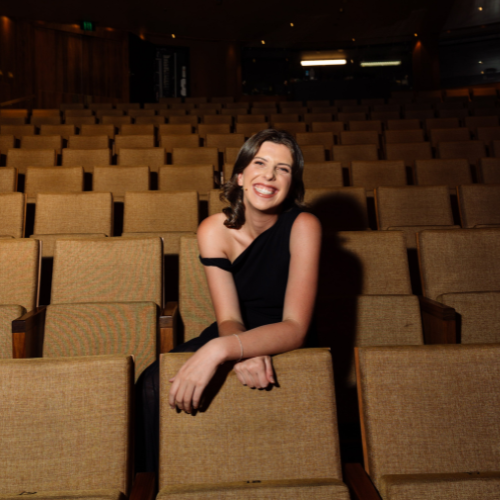
Hannah Ferguson
Hannah Ferguson is the founder and CEO of Cheek Media, and a Forbes 30 under 30 honouree. She is also the co-host of news and pop culture podcast, Big Small Talk. Hannah is the bestselling author of two books, Bite Back (2023) and Taboo (2024). Hannah has a Bachelor of Laws (Honours) and a Master of Writing, Editing and Publishing from The University of Queensland. Her work has appeared in publications including The New York Times, The Guardian, Harper's Bazaar, InStyle, the Sydney Morning Herald, and Crikey.
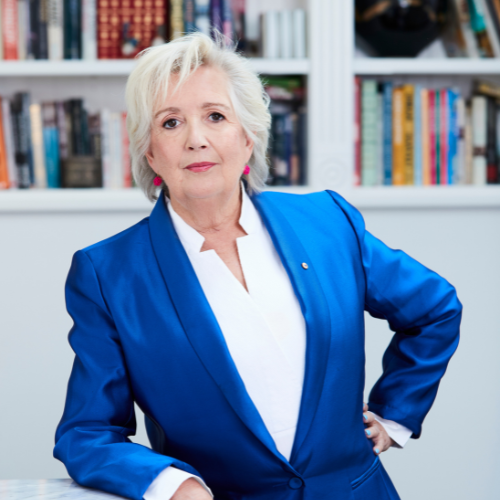
Jane Caro
Jane Caro AM is a Walkley award winning columnist, author, novelist & social commentator. She occasionally appears on TV, regularly on radio, makes a lot of speeches and writes often in SMH, Age &The Saturday Paper. She is on the board of the Public Education Foundation. She was awarded the B&T Women in Media Lifetime Achievement Award in 2023. She is a feminist and an advocate for public education. She’s written 14 books. Her two latest novels The Mother and Lyrebird are best sellers. She is working on a third (best seller, she hopes).
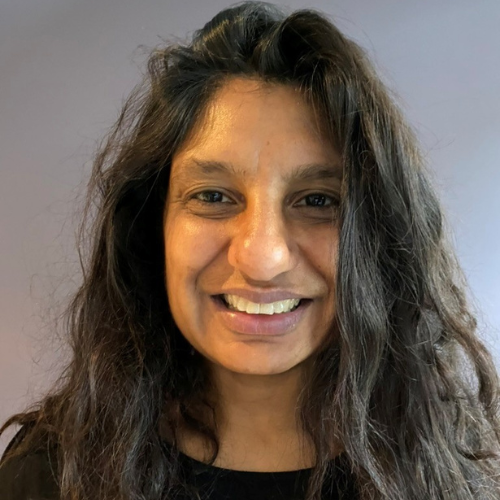
Farhana Dawood
Farhana Dawood is a journalist and academic. As a journalist she has worked for the BBC, ABC and SBS. After living in London for 20 years, she returned to Sydney in 2022, joining the ABC to launch their On Demand News Stream. At the BBC she produced their most successful podcast, The Global News Podcast. She travelled the world for the BBC, living and reporting from the Middle East and Europe. Her academic career has spanned Goldsmiths at the University of London, University of Sydney, UNSW and Western Sydney University. At UNSW she launched and presented The Journalism Podcast.