The age of consent: When your social media post causes a national reckoning with Chanel Contos
Ultimately, sexual violence is preventable.


When Chanel Contos first hit post on an Instagram poll in 2021, she had no idea of the cultural reckoning she was about to unleash. She asked a simple question, “Have you or has anyone close to you ever been sexually assaulted by someone who went to an all-boys school in Sydney?”. But the responses were overwhelming. So much so, that she had to create a website to collect over 6,700 testimonies. This led to the founding of Teach Us Consent.
Now, five years on Chanel has spearheaded an organisation at the forefront of dismantling sexual violence. She sat down with host Justine Rogers to discuss her journey from UNSW commerce and arts student to tackling consent in Australia and founding a grassroots campaign that has grown into an international movement.
Please be aware that this episode discusses sexual abuse and trauma which may be distressing for some people. Resources and support can be found here.
Watch on YouTube
Podcast transcript
Chanel Contos: Testimonies like kind of dripped in at first and then they came in so quickly that I couldn't like my Instagram was like glitching because like the messages kept coming through which we're currently reaching 1 million people a month on which is great and we're trying to grow and then we have our policy and advocacy pillar which is actually kind of most of what we do in terms of changing laws and advocating for things and consulting and giving evidence at senate inquiries and so Teach Us Consent's mission is to eradicate normalised sexual violence on downloading social media applications which we know happens within 23 minutes of sign up a young boy will be shown extreme misogynistic content so we basically want there to be an option um to make it so that yeah it's just people that you've actually chosen to follow.
Justine Rogers: I'm Justine Rogers and you're listening to We Built This Thing. In today's episode we're chatting with Chanel Contos, activist against sexual violence and founder of Teach Us Consent. Chanel first came to global attention in 2021 during lockdown when she asked her Instagram followers whether they or someone close to them had experienced sexual assault by someone who went to an all-boys school in Sydney.
The response was extraordinary and what began as an Instagram poll grew into a powerful movement. Since then Chanel has worked to transform how consent is understood and taught in Australia and the mission is far from over. Today we're talking about the journey and impacts of Teach Us Consent, what she's learnt about power and persuasion and what it takes to turn personal and painful experiences into a cultural reckoning.
Welcome Chanel.
Chanel Contos: Right thank you so much for having me, Justine.
Justine Rogers: Thank you and can you take us then to February 2021 where were you what you were doing and how did you actually press post on that post?
Chanel Contos: Yeah okay so to know what happened in February 2021 I need to tell you a year before like May 2020 I was with three other friends at a friend's house it was a farm in rural New South Wales and we were basically having a sleepover it was COVID and we were friends who kind of grew up in the same social circle but only became close when we were older and at the sleepover we actually were basically gossiping about boys and horrible things that boys had done and then pointing out the kind of successful positions they were now in and the injustice in that situation and this conversation just went on for hours it was honestly endless the four of us because again we kind of touched different social spheres of one big group in Sydney had unlimited stories of sexual assault that had been perpetrated by boys we knew to share with each other and in that basically almost all of us ended up also disclosing our own testimonies and in that moment I found out that the same guy who had perpetrated against me when I was younger had perpetrated against a friend of mine and I found that really highly disturbing because I thought if I had understood this I could have reported him I could have done something I could have stopped him I could have warned her like all these things.
I felt I don't know I think it's I obviously shouldn't have felt any guilt but I felt the feeling of guilt that this thing had happened and I felt as though I had let it happen in some way and that's what like really spurred these really strong emotions of like this is preventable and that's when I collected my first like dozen or so in testimonies maybe two dozen and my intention was originally to just present these to various school principals and try and convince them to teach consent education except I got a bit sidetracked I got a bit of discouragement from some people around me and I also ended up moving to London because I was doing a master's over there so I kind of like not forgot about it but put it aside and got distracted with starting a new life so then February 2021 I'm in my I was living in a warehouse in London with six other girls um I was teaching at UNSW at the time like that was my career trajectory I was teaching information systems 1602 or 1603.
And I was also interning at a hedge fund and then doing my master's in gender education and international development and through doing my master's and learning this content we were I was learning about things like sexual coercion which is being forced into sex in a non-physical way through like pressure guilt blackmail alcohol drugs very wide range of ways that people can be or feel coerced I just remember being like why has it taken me three university degrees to find out what sexual coercion is like I should have known that when I was 12 years old and that would have been really helpful to be able to know what that was when I was 12 years old so then I started thinking about this again and then I was in this group project for the reading of sexual coercion and we've kind of had to go we're all from different places in the world very it was a very international course and we had to talk about how this reading related to our schooling and the person who went before me spoke about how virginity testing was part of her schooling which is obviously really devastating and such an explicit form of coercion in the education system and then it came to me and I was like well like nothing like that ever happened to me I was like I grew up insanely privileged in Sydney in Australia like that that doesn't happen at our schools but and then I started describing the culture that happened on weekends and basically all these like three women from all around the world were like are you actually kidding like how does that happen in Australia like we thought Australia was safe we thought Australia had gender equality we thought Australia was the place where these things don't happen.
And then again I was like oh I should do my thesis on this I should think about this more and the moment I pressed post on that story was a moment of just like extreme emotion me and one of my best friends from when I was growing up who we experienced lots of things with like it's very fundamental to the Teach Us Consent campaign I guess that I didn't give much thought to these experiences until I was older but there was this moment where I was really giving emotional energy to reflecting on our teen years and we were sitting crying and we were upset and I just had this moment where I was like they don't even know they did this to us like they don't even have to have the accountability of guilt because they don't even fully understand consent or comprehend the ramifications of their actions when they were teenage boys and then so that's when I posted on Instagram and that was the final straw.
Justine Rogers: I mean you had some sort of consciousness raising with your friends so I imagine you may have thought there could be a response, but did you have any sense of how many stories and testimonies you would receive?
Chanel Contos: Absolutely not no we ended up publishing 6700 testimonies but we received so many more I was not a lawyer I did not know I didn't know what defamation was until you start getting letters in your inbox from various lawyers and then you learn pretty quickly where the line is but yeah and also like just the actual systems in place I didn't have I did not think any of this would happen I didn't think about anything being public I didn't think about the media knowing about it my Instagram following was just my friends and family like it wasn't yeah and testimonies like kind of dripped in at first and then they came in so quickly that I couldn't like my Instagram was like glitching because like the messages kept coming through and then I set up a google doc and then that glitched and then I set up a google form and that glitched and then eventually my friend built me a website two friends Jack and Sophie thank you.
Justine Rogers: And I think I heard it was obviously mostly victim stories sadly but also some bystander stories, is that right?
Chanel Contos: The testimonies we published were all testimonies of rape however a lot of bystanders I guess IM’d me to just say like their reflections on this culture weekends things they put up with that was kind of mainly I guess a lot of men's contribution to understanding this dynamic this culture this fabric whatever you want to call it a lot of kind of self-reflection and I guess they felt compelled to tell me which I'm thankful for.
Justine Rogers: Do you think there was something about that time in 2021 or potentially the technology just affording us to be able to raise awareness and do more than just that but share stories was the tech there or was there something about being locked down what do you think was there was this a moment where people were ready to share or do you think it could have happened at any time?
Chanel Contos: It's a good question I think about a lot I think the fact it was COVID really helped because I think people were more online than they usually were I think people were more reflective of things and they were also kind of confined to socialising with those like really closest to them which meant that these conversations could really like occur in for everyone at the same sort of time in 2021 in January February we also had Grace Tamey announced as Australian of the Year as a child sexual abuse survivor and I think that was also like a big moment for Australia to speak about a very traditionally instilled taboo topic of child sexual abuse so I think that also kind of set a landscape particularly in the media and then we also had Brittany Higgins speak up about her experience of sexual assault inside Parliament House and I think what that did was in terms of at least the media and the national conversation meant that it was just kind of like from schools to our Parliament we have this issue and perpetrators are adults and they're teenagers and I think it contributed to a bit of a moment a moment yeah and what was it
Justine Rogers: Like you were pretty young yourself at the time what was it like receiving all of these sort of pretty distressing stories how did you feel about that and then how did you move from I guess those feelings into saying I need to do something about it because that you know someone could have just got stuck with that overwhelm or anxiety.
Chanel Contos: Yeah I should also say I should specify the testimonies which I also think contributed to the reason why it kind of like had its moment um maybe differently to other movements of the kind was because I asked people to name the school and graduating year of both victim and perpetrator so it made it really close to home but didn't single out or identify or scapegoat any one person so I think that was also like a crucial feature of the campaign and its success in terms of I don't know I think I am just I'm just someone that if like something feels really obvious to do I'm kind of like just do that so that was like the feeling I had so you didn't have this a feeling of overwhelm it was just oh it was insanely overwhelming like it was I mean I'm so thankful and feel so privileged and grateful for the opportunity I've had in the platform I have and I really hope I've done justice to the thousands of survivors who sent their testimonies in but like I wouldn't wish on my worst enemy to have to like read that content and then have to like orbit the world and like interact with men frequently thinking like oh so yeah it was extremely overwhelming but I felt really intentional and purposeful in like what I was doing and the next steps to channel that into something.
Justine Rogers: The post got enormous attention very quickly, can you just through how you went from that viral moment to actually founding an organisation.
Chanel Contos: Yeah and that also raises a good point that like social media can definitely be used for good and I think Teach Us Consent is a great example of that and it's also you know we've had black lives matter movement like the Arab spring like so many incredible things have come from social media as well but I think that's why there's this idea around options of how to use it um and so it was an Instagram poll and then I started getting testimonies in my inbox and posting them on my story through DMs and then because I was getting too many I pivoted to a google doc posting them on the google doc and then I pivoted to a google form because again so many people were submitting them that I couldn't physically keep up by the time it took me to copy and paste there was more and then eventually my friend built a website and then they said what do you want to call it and I just posted in my group chat of girlfriends from high school and said what should we call it and we landed on Teach Us Consent and then Teach Us Consent.com was built and then in the months after we had some volunteers come on board and register a charity and a board and make it all legit and it was volunteer run for a very very long time and now we're at 12 full-time employees.
Justine Rogers: So, we'll ask a bit more about the personal costs, but I wondered first if you could just tell us more about what Teach Us Consent is trying to do and what the problem it's trying to solve.
Chanel Contos: So Teach Us Consent's mission is to eradicate normalised sexual violence and normalised sexual violence is sexual assault that occurs and doesn't seem particularly out of place in society because of a lot of other factors that contribute to a gendered hierarchy and contribute to the dehumanisation of women and the sexualisation of girls and male entitlement to their bodies that mean it can just be like one tiny step up and it's actually an act of sexual assault or rape so the way I think about it and to be just like really blunt it's kind of like you know the teenage boys who beg their girlfriend to give them head so they stop getting called a virgin at school or like someone who gets someone drunk on a weekend so they're quote-unquote easier because they're they think that that counts as okay or whatever that means it's the really I don't know I do see sexual violence as a spectrum and these acts that are normalised can still have really terrible ramifications but for a lot of people it just kind of contributes to this like overarching reinstatement of the gender hierarchy where like all men are in position of power over all women at all times.
And, I feel like that's what we're trying to challenge this like normalisation culture again we also do a lot of work with technology so like forwarding images of people non-consensually that are naked or that expose someone in a way that they don't want to be seen or viewed but Teach Us Consent basically has three pillars we have our digital education which we're currently reaching 1 million people a month on which is great and we're trying to grow and then we have our policy and advocacy pillar which is actually kind of most of what we do in terms of changing laws and advocating for things and consulting and giving evidence at senate inquiries and blah blah blah about this topic of teen on teen perpetrated violence or youth on youth perpetrated violence so we successfully mandated consent education in the Australian national curriculum as a result of the Teach Us Consent campaign we've criminalised stealthing which is the non-consensual removal of a condom into Australian states we were part of a group that advocated for age verification for pornography.
And, we can talk about it later but we're also currently advocating for reforms to algorithms to prevent the radicalisation of young boys and men online and then the third thing we do is partnerships so we partner with culturally significant places or companies to try and bring consent into the mainstream so like at music festivals in Australia we put consent messaging up on the screens in between sets we've partnered with condom brands we've partnered with tinder to make a consent course just trying to make it so that this conversation isn't something that only happens in a kind of moment where you like feel like you're being spoken down to or like you know told don't do this and like very dictative but to basically make consent part of culture and cool.
Justine Rogers: So, I mean that's incredible and I could talk about all the different types of the prongs but just focusing on the education piece for a minute where was Australia starting what was our starting position with that you know like what I guess what was missing from the way that young people were being taught about relationships and sex and consent?
Chanel Contos: What's actually really interesting I found this out while like working with the um Australian curriculum reporting and solving authority I don't know Akara I don't know what it sounds for when like writing the curriculum I found out that consent actually used to be in the Australian national curriculum like it used to be part of something that was taught in schools and that was because after world war ii a lot of people lost their dads a lot of boys lost their dads and apparently dads are the one who are meant to pass on sex ed to the kid in those times and because that there was kind of like a void there the school system started to fill it which is really interesting and then the state we had was different and fragmented in different states and territories and also school dependent so I actually did receive consent education when I was 15 years old but I went to a private school and it was able to work outside the school curriculum and it also had the resources to hire someone to come in and kind of teach this like specialist course it just like was delivered too late.
Unfortunately, it was too late and it was also like the moment that me and my peers kind of like had a simultaneous realisation that a lot of these experiences that we thought were just like bad experiences actually constituted crimes so it was really like empowering in that way to understand that and it did change the way that we showed up for each other as women and girls but it was basically fragmented and scattered and now consent is in the Australian national curriculum which means that all states and territories have to base their curriculum off that and then also in like private schools independent schools have to work off the national curriculum at minimum.
Justine Rogers: Wow so I'm going to talk about that process of legal reform but I wondered if you could first like I guess how I would I want to hear your response to the idea that I've heard people say that you know these issues should not be in schools this is really just something for parents and it's up to parents to you know shape their kids and how they see fit what do you say to people who say look this is just a parenting issue and you know the state or schools have no role to play?
Chanel Contos: Yeah I mean I really wish we could wholly rely on parents and there are mostly vast majority amazing parents out there who hopefully are aware that they need to have these conversations and do model respectful relationships educations sorry model respectful relationships within the home to their children and these principles of gender equality however we know that at really devastatingly high rates it can be parents themselves who are perpetrators and or step parents or you know we also know that there's really devastating rates of domestic family and sexual violence in Australia between adults so if you are a parent who thinks I can teach my kid this I don't need education system that is great and I'm thankful for you and please teach them as much as you possibly can however this is just like a bare minimum safety net it's kind of like one hour once a year to kind of capture the people who don't have that or who may have like a completely change in life perspective because they've been explained what coercive control is or what counts as domestic or family or sexual violence or all these things that they can then potentially seek help or they can understand or they can start processing or they can learn to break patterns.
Justine Rogers: So, what conversation should be we be having at home with our kids? You know, do you have a sense of advice for like the different types of conversations at the different stages?
Chanel Contos: I mean honestly like principles of consent should be taught from day one you might actually already be doing that even if you think that you're not doing that like teaching people how to ask if you can play with their toy teaching young people how to say yes I know particularly our girls we socialise our girls in a way that means that they're very prone to like dropping their boundaries very quickly because they've been told that they're supposed to like surf everyone around them all the time meanwhile we raise our boys to kind of push the boundaries and that's also definitely a factor that largely plays into this culture and adolescence and adulthood as well and I think if you can teach young people how to ask for permission how to reject and crucially how to accept rejection and not get upset at rejection that can be like really game-changing in the way that they're going to orbit the world as adults and teens as young as I can I don't remember being conscious and not being conscious I didn't have the words to describe it but I don't remember not being conscious of the patriarchy or not being conscious the male gaze or like not being conscious of these factors or like my position in the world and like there's always a difference and like me versus my brothers versus like who had to set the table and create like you know what I mean just things it was just I didn't know what the words were but there was the feeling that it was equal yeah really young.
Justine Rogers: Sydney at the moment is reeling from uh various alleged teen rape allegations and um this week a young teenage girl who possibly died from choking again with this is sort of the worst side of kind of women they're suffering not and sort of being normalised in a way how do you feel about that like do you have does it make you feel dispirited does it make you feel like more determined and how do you not feel I guess I guess we're getting to a bit of that personal cost like that it's not sort of personally you're not personally responsible because of what you do or you know how do you how do you respond?
Chanel Contos: I found that yeah the news this week was really a lot largely because it all felt so preventable like none of these things kind of had to happen and there were things at play that made them happen it's not just you know someone a freak out car accident happens and something really bad happens it's kind of like there was nothing that could have been done but these things feel like they didn't need to happen and it's a mix of making me feel more determined in that I kind of have like two or three more things I really want to like achieve as an advocate and for my organisation to work on over the next few years and then the other part of me is like and then I'm just gonna like switch off and goodbye like it just because um it's a lot it's a lot.
Justine Rogers: So there's actually maybe we can talk about those two or three things that you want to work on yeah you know because I think even from I mean I'm not saying it's a dramatic change because maybe from 2021 when you started already you know social media existed and but the game has sort of changed as well quite a lot even since then or deep fake porn revenge porn the manosphere all of these different kind of forces within especially in technology I'm just wondering how teach us consent has shifted and adapted?
Chanel Contos: Yeah massively we do a lot of work on technology facilitated gender-based violence and sexual abuse and it's happening in young people like so much like that's a big long word but like it's as simple as sharing someone's nudes and that's what we call it but that's actually distributing child sexual abuse material and it is like can be really damaging to I mean if that could possibly be more emotionally damaging than a physical act of assault so there is no like technology facilitated abuse is not a lesser offense and there is not lesser consequences but one of the things we're really focused on at the moment is algorithms and the way that they have systematically radicalised young boys and men online and we've seen kind of anecdotally as like working amongst young people and like looking in spaces they're in but then also research has reflected this across the western world that teenage boys have had like a very sudden resurgence in holding misogynistic attitudes and very outdated gendered expectations that are not helpful.
Like that women shouldn't work and that mothers should like you know you can't have a stay-at-home father but you should have a stay-at-home mother like just complete reversal to what I really thought we had moved past and this is no coincidence there is a multi-billion dollar machine behind this that the way I'm thinking about it recently is we've kind of always known for women that we're going to be told we're going to be made insecure about something and then we're going to be sold like the whole beauty industry there's that what's that quote that's like if you think about how many industries would fall if women loved themselves like that it's you know a testament to how much the world benefits from us being self-conscious or being critical of ourselves and again capitalism loves that because then there's just like endless stuff for us to buy and purchase and blah blah I feel like for the first time this is really happening to boys and men we're kind of like reached a point of capitalism where they are now like drawing into this as well so everyone talks about them perfecting bodies and maximising looks and yeah like everyone's like oh my god boys are looks maxing like they're breaking their jaw slightly to do this I'm like what do you think a nose job is like what do you think a boob job is like these are crazy surgeries that we just called like a job and I think it's happening to boys and men now so like the manosphere it it's officially called like a community online community where there is essentially the vibe of like male supremacy and also usually white supremacy and like lots of other problems and it is a collection of communities.
But, I think we need to like look a level up and be like young boys and men are now being made to feel insecure about things like how strong they are how rich they are how many women they sleep with all of these things somehow sleep with women but women aren't allowed to sleep with yes I mean I don't know you want to marry a virgin but you want to not be a virgin yeah math ain't madding exactly and there's just really unrealistic expectations of like body standards and all these things and there is an undercurrent in this content that is misogynistic and that it often blames women or other like minorities like other religions or migrant workers or like whoever it is for the problems the reason you don't have this like aspirational lifestyle that these influencers have is because of these people and then we're going to sell you the solution to that which is like unregulated steroids or it's a really expensive private course on how to pick up women or it's a gym app routine that you can like sign up to and then all your problems will be fixed the problems that like the women caused and it's actually really devastating and I think it is just like a symptom of late-term capitalism but when women are insecure we kind of only really hurt ourselves but when men are insecure they're prone to hurt others and I think that's why we're having this gigantic problem where these attitudes are playing out in real world behaviours.
Anyway, all that to say we're currently running a campaign called Fix Our Feeds we're trying to make it so the government tells the tech companies that we can turn our algorithm on and off for any reason at any time and for us to actually give affirmative consent to entering the algorithm so that you don't have this kind of like highway onto misogyny upon downloading social media applications which we know happens within 23 minutes of sign up a young boy will be shown extreme misogynistic content and any engagement with that even if you're engaging because you're like confused or like my mom and dad would never say that or like oh my god I heard someone talking about this at school is this the person they were talking about even if you don't believe it the algorithm will clock that as engagement and just like push it out to you persistently until you kind of like inevitably get radicalised yeah you're hooked it's propaganda yeah.
Justine Rogers: And so how does the tech work or like does it is it something you get to do you get to say what sort of things that you want to follow is it just opting out or like what how does the tech…
Chanel Contos: So the idea that we're proposing would mean that it would essentially be a setting that would enable you to go back to a chronological feed of people that you intentionally follow or hashtags that you follow and we know that young boys and men are not seeking out misogynistic content they're not following the hashtag misogyny like it's being served to them because they know it's gonna get engagement for whatever reason and then they know that's going to give them profits so we basically want there to be an option to make it so that yeah it's people that you've actually chosen to follow anyone who uses social media will probably notice that they'll be scrolling Instagram for 10 minutes sometimes and then be like oh I haven't actually seen anything from anyone I know I've just been like watching these crazy videos or like making like even if it's not a harmful algorithm it's still addictive like it's addictive by nature and the endless scroll is an addictive feature and we're seeing court cases in the U.S that are showing like more and more that this is intentional and it's not it's not a coincidence they're engineered in that way to kind of play on everyone but particularly young people's dopamine receptors and extract them for profit.
Justine Rogers: No, I believe it I mean even I’ve been trapped myself some nights I'm like what am I you know what am I what am I looking at and why am I doing this?
Chanel Contos: It's also when I'm most tired that I spend the most time on it yeah, it's like some weird contradiction probably because again I just need the dopamine or the like something but it's like when I'm most like this is the last thing I need right now, I should be asleep
Justine Rogers: I'm like I can't. I just need this final verse of yeah; it's almost a resistance to sleep. Just thinking about people listening who might be wanting to start their own kind of organisations for change how do you know you have your big mission of end sexual violence and how have you gone about breaking it up into those different prongs and how do you prioritise what you're going to do and tackle and what you're going to say no to like what how do you actually arrange what you're doing?
Chanel Contos: I feel like the way that Teach Us Consent has worked to date is that we kind of like hyper fixate on issue like a very specific part of an issue with a very specific solution and that sometimes raises criticism about us because we have an incredible platform and the ear of government and there's lots of things that we don't get to say or do but I also think it contributes to our success and that we stay like tunnel vision on something until we feel like it is like complete to an extent and then we can kind of pivot.
Justine Rogers: And do you have to have inbuilt indicators of success within it like measures and because you I mean something like cultural change is so multifaceted and kind of tacit a lot of the times or just hard to measure or quantify but how do you know when you've saturated something you can move or that you feel like you've achieved success in?
Chanel Contos: So when I say that I'm mainly talking about like advocacy and policy so if we get like a commitment from her we're asking it from we're like okay that feels satisfied but there's obviously like follow-up and implementation and so much of that that is difficult as well especially for a small org in terms of our education it's kind of like evergreen and continuous and we have just started having enough funds to be able to properly evaluate our work which is great and if it doesn't work we'll pivot and if it does work we'll double down um but it is definitely a problem in the whole sector just because there is so few funds in this space there tends to be more funds that go towards gender-based violence and less funds that go towards child sexual abuse and teen on teen perpetrator violence is like a weird in between because it's not entirely either in isolation but uh yeah so the sector in general is quite drastically underfunded in terms of understanding evidence base of like what works because we haven't gotten to try everything and we haven't been able to evaluate it but we're hoping to now we're at a stage where we can like embed that in our yeah in our systems yeah like we now have a head of education research and evaluation and Teach Us Consent which is great.
Justine Rogers: Oh, wow and you know you've worked across kind of different sectors and with different groups school government media young people what has that taught you about the art and I guess some of the resources behind the art of persuasion?
Chanel Contos: Um I think that communication is like really key like thinking about your audience and like what language you'll use to that person because like we all want the same thing we all want our kids to be happy and healthy like we do not want widespread sexual violence in teenage years no matter anyone's political ideology or even people in the manifest will say they don't want that they maybe just like don't realise like the way that these acts can play out or don't understand or things like that like no one is here saying rape is good so I think it's just finding common ground with audiences and meeting on that and are saying that we have it it's like Teach Us Consent ethos it's a quote that I read once I think it's by Michael Brooks and it's also the quote that kind of like starts my book it's be ruthless with systems and kind to the people in them and that's very much what we do like we will really call out this rape culture I do not flinch from talking about pornography or algorithms or like predatory big tech or any of those things but we always remain very like empathetic towards the individual particular young people that are at the heart of these like real world experiences including the perpetrators.
Justine Rogers: What about power I mean what have you learned about where power resides and how it works um even just simply the logistics of it like how did you get in front of you know different MPs and government to advocate like how what was the process?
Chanel Contos: I'm trying to remember Dave Sharma was my MP when I started and I must reach out to him or he reached out to me he probably reached out to me because I probably didn't even think about doing that oh and then I kind of just had this rule where whoever I met like at the beginning of Teach Us Consent I was just in back-to-back meetings the whole time for all these different people consulting on things like I was I was consulting them asking them things trying to refine understand messaging whatever and it was mad because it was in London so I was working like the most insane hours because everyone was in Australia in lockdown and I would always ask for an introduction to another person and that kind of set off a chain effect so yeah I think Dave Sharma was my MP at the time and it was Scott Morrison’s government and both were liberal MPs at the time so that was like access into the liberal party that was just kind of like provided every time I met someone else for someone else and then just keep yapping I guess
Justine Rogers: yeah, so if someone listening has identified a problem, they're desperately trying to change what would be your advice to them what should they their first steps be?
Chanel Contos: I think your first step should be to figure out a solution that you think works and that is feasible and like assess that practically and politically and yeah in a local context and like a large context depends how some of the most impactful change happens in a local context like if you actually went into you know your old school and said let's do this this and this like I'm really concerned about this and you can have a giant impact on a community in that way because maybe like smaller audience but more intentional bigger involvement so yeah think of a solution and kind of like whilst raising awareness slash problem pose solutions so that when people like see them they kind of associate the two and start to get to know that and I always tell young people who are trying to start things to like really quickly set up like an advisory committee around them just not officially but just like have five to eight people or like I don't know under 10 people who have life experience that you may need or expertise that you may need and just get them to be like yeah it's okay like you can call me spontaneously for like quick advice and I think that's like one of the most helpful things to just you just prefer like I still do that all the time like I have so many advisors and if something comes up I'm like oh that person knows this or this person's an expert in that or whatever and the ability to like guilt free again socialise this woman yeah guilt free pick up the phone and just be like hey what's your thoughts on this what's your read on this can you intro me to this person like makes so much difference to have people to like actually commit to helping you in a way.
Justine Rogers: Have you made any so-called mistakes that you would advise people to avoid I mean they're never mistakes. It's all learning, but yeah, I think if someone could learn from you?
Chanel Contos: Well the other thing I was gonna say is try get some sort of legal advice on what you're gonna do because usually the best activism ideas are illegal which is why they like haven't maybe been done yet so yeah I kind of wish that you know I encounter a lot of defamation by doing things but there's other like again great ways to gain attention and advocacy and to try and make cultural change but there is especially on issues relating to women and girls there is kind of like a law a system of law that is there that kind of structurally silences us and things like that you're obviously so…
Justine Rogers: I'm just thinking about the whole like you know the justice system with the kind of the notion of you know let's not penalise these boys of getting in the way of their lives they're ahead of them but let's not think about the girl who may have been traumatised for the rest of her life what I wanted to ask you then is I mentioned before the personal cost just wondered if you could reflect on what this has cost you personally and you know you kind of indicated that this is not necessarily something you're going to be doing for 20 30 40 50 years or something but you know how have you kind of managed this job this this mission and stayed kind of kept your own mental health and your own energy going for it?
Chanel Contos: I often say I think I'm like the luckiest person in the world like I really think I'm like so surrounded by love in so many ways that I'm so grateful for and that I think is like the main reason why it doesn't feel too overwhelming you know everything from friends to family to the Teach Us Consent team like everyone is so there for each other and for this mission and but I'm also not going to sit here and lie and be like oh I take a bubble bath on a Thursday night like it's like yeah it's not good yeah it's a lot and it's like this weird thing where like anytime anything happens in the media and this topic there's like a tragedy and then it's like you're up go and talk about that thing again and like do this again and like um and then you you're always tossing up between things like I'm so tired like I don't want to talk about this but also like there's a moment and people are listening and this is how we reach parents and like people who haven't thought about this or who haven't like considered this stuff too deeply and that's always like a tension but yeah I think I think it really helps the fact that Teach Us Consent does holy prevention work currently which means that it's really hard to measure that it's really hard to measure someone didn't rape someone because of something you've done which also like leads to some confusion and existential crisis about our work but at least it feels good that you feel like you're injecting before it happens rather than just trying to like pick up the pieces after where do you think
Justine Rogers: Australia's sitting culturally now do you think there has been change over the last five years or and I know that you now live half time in the UK how are we going compared to the UK like and can we learn from other countries I guess sorry giving you a three in one.
Chanel Contos: Yeah I think like I think we have had cultural change because I would say that this last few weeks is a kind of similar moment to when like in the last five years there was that moment with like Grace, Brittany and me where sexual violence was like really talked about for a minute there and then now five years on we've had like many allegations of various kinds of sexual violence and it's like dominated headlines for a week or two and I do think people's like approach to that conversation has changed and I think that has been significant and refreshing and like oh at least this is something but at the same time the actual problem has gotten worse so like rates of violence have actually increased by these teenage boys as like a perpetrator cohort and that is because of factors like the algorithms and pornography so again like those are things that we're trying to address and like…
Justine Rogers: And didn't you say also a growing group of victims are female teachers women teachers is they’re not victims of sexual assault but harassment and misogyny
Chanel Contos: There is a research report came out today which I should definitely know the stats better off the top of my head um but I think it was from Monash Uni and it was talking about the experience of misogyny in the classroom with and many female teachers have considered leaving their jobs because of the that they face from school children and also I think it was 95 percent of teachers say that they think that at least some of their students are accessing manosphere content so like this problem is like so widespread and like so dire and like that it's definitely getting worse like that I think is an exponential upward trend that it wasn't normal to harass your teacher in that way.
Justine Rogers: And all of these trends corresponding to similar things in the UK or can you compare like are there any are they these universal cultural problems or there's certain specific local ones?
Chanel Contos: They are universal problems we're not sure about the rise in teenage perpetrators in the UK we as of very recently are sure of it happening in the us it's kind of the like problems with the algorithms and tend to be happening in very specifically places that not right it's happening everywhere but it's happening worse in places where there is high gender equality so women have equal rights but then low sorry but then high income inequality as well so where there are like poor men and women who don't have to marry those poor men is like where there is like this you know where they're primed to be preyed on by big tech to say like this is your problem that they're going to Uni and they're taking your spot so that they're working and they have their own income like you should be the provider like you should get this and you should have these things and you should have these traditional roles where you know you're entitled to a wife and you're entitled to sex and that's kind of like the basis of a lot of it.
So but it is um yeah there are some mainly low-income countries that are making some progression on attitudes in terms of gender equality but they were starting from like not a great point but we are regressing and gosh I don't think that's an accident and again widespread access to explicit porn like pornographic content is like such a factor in this as well but I would say the main difference between Australia and the UK is Australia's school system is very sex segregated in a way that like not really any other high-income country is the only other countries that have as many single-sex schools as we do are countries where like women aren't allowed to go to school with men so that's like a structural thing in Australia that I think contributes to a culture and then the other part of it is our gambling culture is insane I didn't really realise that until I left Australia I know that like the us has just started having poly markets and now everyone's going absolutely mad and like we're seeing really bad ramifications as part of that in terms of violence and stuff but like Australians gamble and like that can also contribute to domestic violence and you know angry men and then our sporting culture is very hyper masculine and Australia has a very interesting sporting culture I think we have one of the most like sporting clubs per capita ever or something out of like any country and it could be used for like the most amazing opportunity for like cultural change of like respect and empathy we're at the heart of those institutions but unfortunately we tend to see them play out in aren't that and that's having consequences…
Justine Rogers: Gosh
Chanel Contos: okay sorry no it's not we're not ending on a happy note
Justine Rogers: No, well I was gonna ask from what you've achieved and seen and done yourself just you know what gives you hope?
Chanel Contos: There are so many people around the world who are working towards changing this there are so many parents who cares a lot of young parents growing up who maybe are less ashamed of these topics who like maybe are a bit more like upskilled themselves and having these conversations who are like really dedicated to the next generation people are like going away from phones and being like I'm only gonna get my get a flip phone and like schools are signing agreements with the parents to say we're not gonna give them phones till they're this age like there's so many good things happening at all times as well and ultimately sexual violence is preventable so gotta gotta stay hopeful and finally people listening want to support what you're doing.
Justine Rogers: What's the most useful way they can do that?
Chanel Contos: Uh you can follow Teach Us Consent on Instagram or LinkedIn you can subscribe to our newsletter that's free you can sign our open letter to the prime minister if you like the Fix Our Feeds campaign that's um uh just on our website Teach Us Consent.com if you go to Fix Our Feeds you'll be able to add your name there it'll be anonymous and if you want to donate to us we are always looking for extra support and funds
And is there anything that you wanted to say that I haven't covered?
Chanel Contos: No thank you so much. Thanks for having me it's been a privilege yeah; I came to spend like five years at UNSW did two degrees here so very sentimental and privileged to be here
Justine Rogers: Oh no it's we're lucky to have you thank you so much
Tune in to the full series
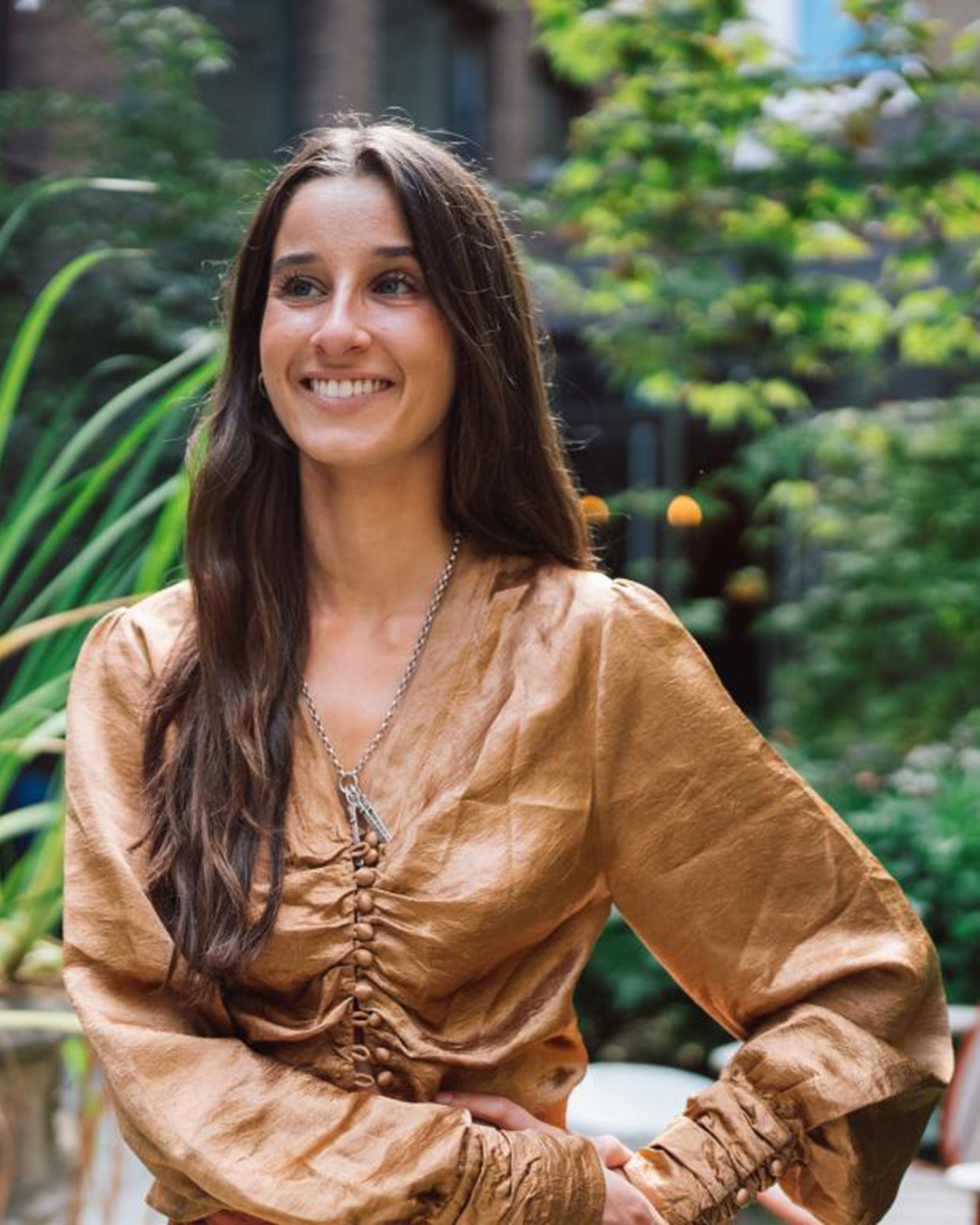
Chanel Contos
Founder, Teach Us Consent; Chair, Global Institute for Women's Leadership's Youth Advisory CommitteeChanel Contos is an Australian sexual consent activist, currently located in London. She became the founder of Teach Us Consent and chair of the Global Institute for Women's Leadership's Youth Advisory Committee, following an outpouring of responses to her request for young Australian women to report on their sexual assault experiences. In 2023, she authored Consent Laid Bare.
Chanel was the recipient of the Australian Human Rights Commission Young People’s Medal in 2021, and in 2023 she was named NSW Young Woman of the Year for her efforts to eradicate rape culture. Chanel has also been presented with the prestigious Diana Award for her humanitarian work, and in 2022 she was listed as one of the BBC’s 100 inspiring and influential women worldwide. Chanel has a bachelor’s degree in commerce and arts from UNSW and a Master's in Education, Gender and International Development from University College London.
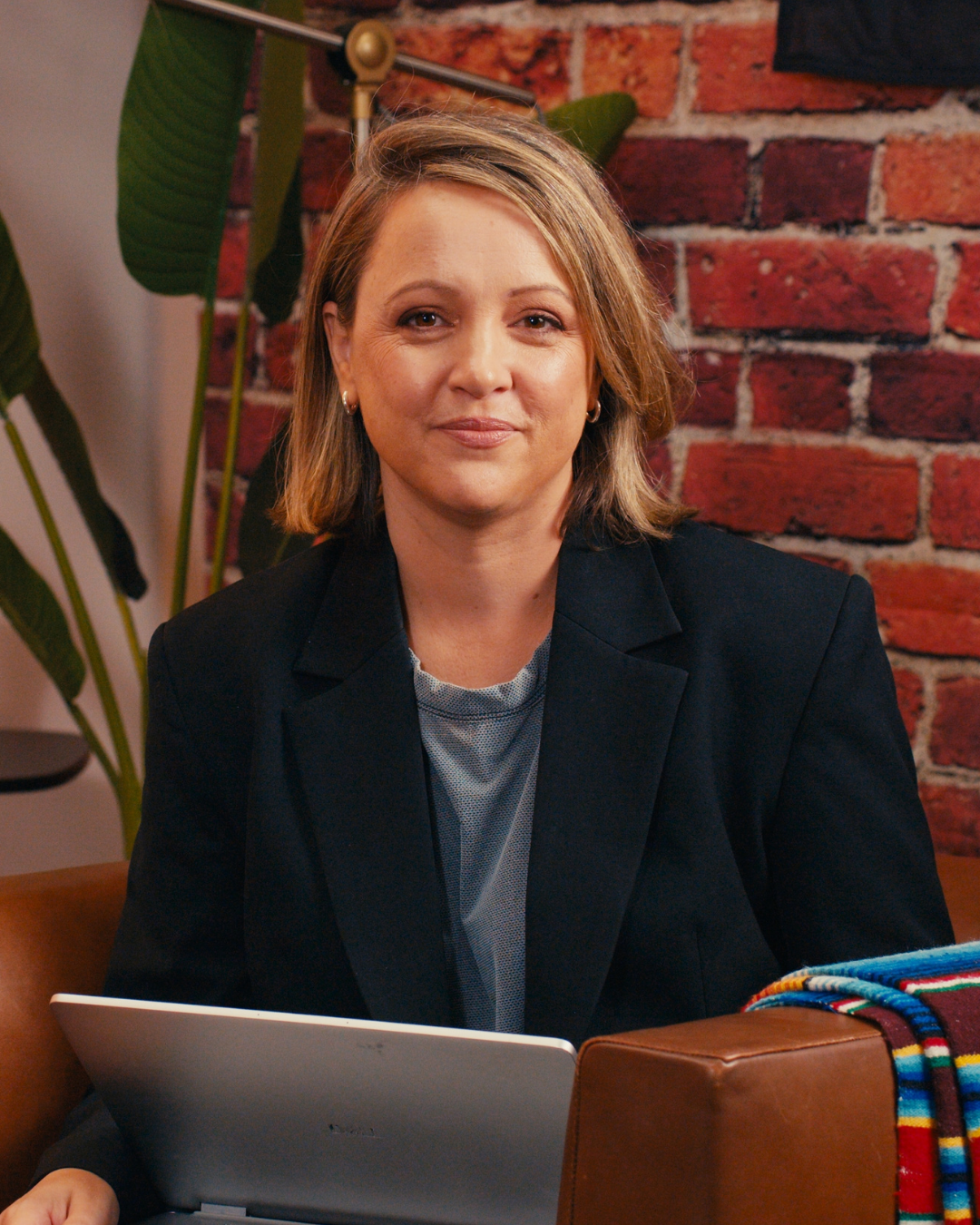
Justine Rogers
Associate Professor, UNSW Law & JusticeDr Justine Rogers is an Associate Professor at the Faculty of Law & Justice, UNSW Sydney, specialising in ethics, justice, and new technologies. A lapsed stand-up, she found life without self-doubt oddly unsatisfying and is now co-writing a comedy feature film – proof that it's never too late to follow your dreams that you'll give up again.