
Adam Bayes on Mind-Altering Mental Health
Depression is a common mental illness. Globally, more than 264 million people have depression. It affects more women than men, and among you here today, one in seven will experience depression in your lifetime, and one in 16 are actually currently affected by depression.
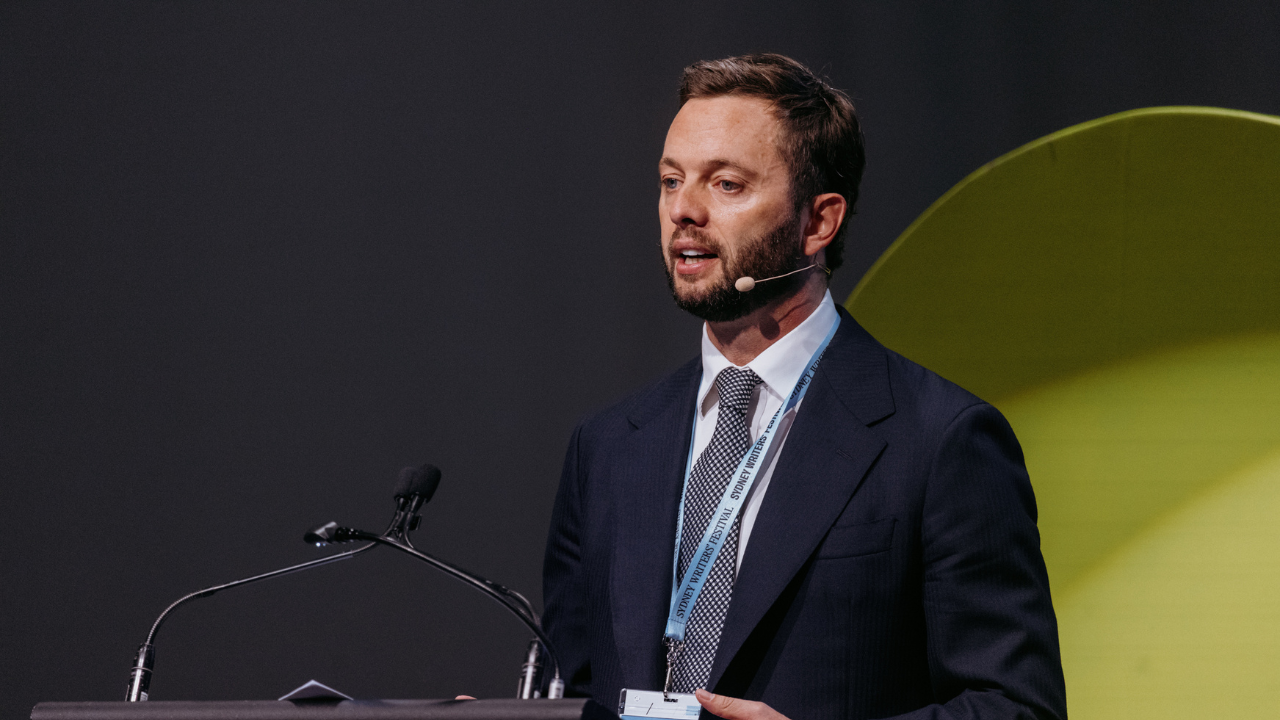
Adam Bayes is leader in the field of mental health, working as a clinical academic psychologist at UNSW Sydney and a senior research fellow at the Black Dog Institute specialising in mood disorders including depressive and bipolar disorders.
In this podcast Adam shares his cutting-edge research and clinical experience such as using ketamine to treat severe and treatment-resistant depression, a new development with promising results.
This event was presented by the Sydney Writers' Festival and supported by UNSW Sydney.
Transcript
Adam Bayes: First, I'd like to acknowledge the Gadigal people of the Eora nation who are the traditional custodians of this land and pay my respects to the elders past and present, and to Aboriginal and Torres Strait Islander people who are with us today.
I want to share with you a story illustrating what motivates me to work as a psychiatrist and researcher in the area of novel treatments for severe depression.
Alex is a 39-year-old married father with three young children, and he was referred to a new clinical trial because of his experiencing a six-month period of severe depression. His psychiatrist told me that he was running out of treatment options after multiple trials of standard antidepressant therapies.
When I first met Alex, he looked downcast and had lost the light in his eyes. His mood was pervasively low, and he was experiencing very little pleasure in life. He told me that his brain wasn't working and that his memory and concentration was severely impacted. He would wake every morning at 4am feeling bleak and consumed with anxiety.
His thoughts would go in the loops, and he would fixate on a doomed future, worrying he would lose his job and become unemployable.
I could certainly feel the deep struggle that Alex was experiencing, and it was impacting his family as he felt increasingly disconnected from his wife and children. The team at the Black Dog Institute and St Vincent's Hospital Sydney assessed Alex as suitable for entering a trial of psilocybin therapy.
Psilocybin is the active ingredient in so called magic mushrooms, and there was a small but growing body of evidence for use of psilocybin combined with psychotherapy in depression where other treatments had failed.
Now the team objectively measured Alex's depression scores at the start of the trial and after every psilocybin treatment. So I want you to imagine that Alex begins at the foot of a giant mountain. That's where his depression score was rock bottom, way down in the severe range. Now after his first psilocybin treatment, he started to climb that mountain. We increased the dose on his second and third sessions, and he reached the halfway point and started to feel some real relief.
Objectively, he looked brighter, and for the first time, he had a sense of there being a way forward. After his final treatments, at four weeks, he was experiencing only mild to moderate symptoms of depression.
Now this in itself, was major progress for Alex, given where he had come from and given four other antidepressants had not worked. But what shocked me was at the three months follow-up review where Alex had actually reached the summit, or in medical jargon, he was in remission, no longer meeting criteria for clinical depression, while continuing on his prescribed antidepressant medication.
So this was as a clinician and researcher, pretty powerful stuff, and an example of a novel treatment changing Alex's life. Now I work as part of a larger team based at the Black Dog Institute, which is a not-for-profit Mental Health Research Institute, connected with UNSW Sydney. And here, part of our work involves examining novel therapies by running clinical trials in depression and bipolar disorder. We also run clinics where we treat patients with new evidence-based therapies.
And as part of my role as a senior research fellow, I have published 46 peer-reviewed journal articles, as well as a book chapter in Bipolar II: modelling, measuring and managing, which was based on my PhD. I also currently have an article out in press with Australasian Psychiatry which covers some of the ideas I'll be presenting today, and I'm happy to distribute that if you'd like to come up at the end.
Depression is a common mental illness. Globally, more than 264 million people have depression. It affects more women than men, and among you here today, one in seven will experience depression in your lifetime, and one in 16 are actually currently affected by depression. Now, depression can vary in different people from more mild forms, where lifestyle changes and psychological help can make a big difference through to more severe biological forms, where patients can't get out of bed in the morning, they feel slowed down physically and mentally, and they may be suicidal. At this severe end of the spectrum, medications going into hospital, and treatments like electroconvulsive therapy or ECT, can make a real difference and be actually lifesaving.
The research team I'm a part of is interested in this more severe end, which includes treatment-resistant depression, and that's the one in three patients, like Alex, who have failed multiple trials of standard antidepressant medications and therapies.
Now, at the start of the 21st Century, there had been a disappointing lack of progress in new therapies for treatment resistant depression, but one breakthrough medication is ketamine. A commonly used anaesthetic, it is also used recreationally because of its mind-altering properties. But over a period of two decades of research, it's been demonstrated that ketamine, when administered in controlled medical settings, is both safe and effective for depression that has failed standard treatments.
Now, ketamine effectiveness has been tested by a series of large-scale, randomized, controlled trials in over 3000 patients. With our team recently releasing positive results from a major trial published in the British Journal of Psychiatry.
Studies have also examined safety after a single dose of ketamine, multiple doses, and if there are any cumulative or long term side effects. In fact, back in 2020 our team was the first group to publish a structured safety tool specifically for ketamine adverse effects known as the ketamine side-effect tool, or KSET, with a revised version published this year.
So we now have a robust sense of those who should not receive ketamine due to physical or mental health conditions, and what we need to do to monitor those who are receiving ketamine for depression, such as risks of substance dependence and negative effects on the bladder, liver and gastrointestinal system. We also have a better understanding of the complex mechanisms occurring in the brain, which underscore its antidepressant effects.
It is with this accumulation of data that has led a new ketamine drug to be approved by the Therapeutic Goods Administration or TGA for treatment-resistant depression.
We are currently in a renaissance of interest in psychedelics as potential treatments for mental health conditions such as depression: LSD, MDMA, Ayahuasca, DMT and psilocybin. Here in Australia, psychedelic research has only recently started up, and that's because back in the 1960s and 70s, promising early international studies were derailed by dubious research methods, increasing recreational use and an association of psychedelics with the counterculture movement, which ultimately led to these substances being banned for over 50 years.
I remember, about a decade ago, I delivered a presentation on two pieces published in the British Journal of Psychiatry. One was titled, Making Medicine out of MDMA, and the other, Can psychedeli Compounds play a part in Drug Dependence Therapy? My talk was met with more than a few raised eyebrows from colleagues and psychedelics were still considered harmful by society at large and also within the psychiatric profession.
It is an intellectual leap to consider that some of these substances might, when administered in controlled settings, be of benefit to select patients.
Since that time, both popular and scientific interest in psychedelics has gained momentum, in part, aided by best-sellers such as Michael Pollan's 2018 book, How to Change Your Mind. Scientists are now asking, “Can we take a second look at these long-banned substances, but use modern tools such as functional MRI scans to see the effects on the brain, ethical research methods and evidence-based approaches?”
I've shared with you a story about one such psychedelic, psilocybin, administered to Alex. And that is showing promise. Now use of Psilocybin is not new. In fact, back in the 1950s a man named R Gordon Wasson, a banker and vice president of JP Morgan and his wife, Valentina, were both amateur mycologists, also known as fungus fanatics, and they travelled to remote mountains in Mexico in search of sacred mushrooms that they had read about in historical texts. Here, they found two female shamans and consumed these mushrooms under their guidance. The ceremony had religious elements and was accompanied by singing and dancing, and they each had a profound mind altering experience. So profound that Wasson recounted it in a Life magazine article Seeking the Magic Mushroom. And that's where the term magic mushroom was actually first coined.
At the time, the magic ingredient was still not known, but chemist Albert Hoffman, who famously discovered LSD, was sent samples of the mushrooms, and in 1958 isolated the compound psilocybin, marking the West's introduction to this miraculous molecule.
Now the Watson's encounter with the shamans actually linked them to an even richer history of indigenous use of what the Aztecs called divine mushrooms, or flesh of the gods, owing to their powerful psychoactive properties. Prehistoric rock murals in places like Spain and Algeria, as well as mushroom shaped artifacts, suggests that psilocybin mushrooms have been used for 1000s of years with indigenous tribes consuming them in spiritual ceremonies.
So why would we want to give psilocybin to a patient with severe depression?
Well, we know that in clinical depression, that there is reduced connectivity in the brain, and that brain cells or neurons actually atrophy or shrink. Animal studies show that psychedelics stimulate the growth of neurons. They increase the number of connections between them and they promote overall neuroplasticity, potentially reversing the effects of depression.
Now, in humans given psychedelics, they report to us subjective things like changes in colours and sounds, mystical and spiritual experiences, a greater sense of meaning in life, increased empathy and connectedness with others, and a deeply felt positive mood.
Now these effects likely result from stimulating the neurotransmitter, serotonin, as well as changing the brain's activity at rest. So when we look at brain activity with psilocybin treatment in healthy individuals, we see an increase in different brain regions communicating with each other. Functional MRI shows that the whole brain seems to light up.
Now you might think that the medicine is simply stimulating brain networks, but in actual fact, psilocybin quietens a key network in the brain known as the default mode network. The default mode is what the brain is doing when we are not focused on a task. So it's the opposite of when we are paying attention, and it's associated with daydreaming, mind wandering and when we're reflecting on personal experiences. And by quietening this top-down resting activity, this allows other brain networks to communicate.
And while the science is not yet certain, it appears in those with depression, they have an overactive Default Mode Network, which locks these individuals into rigid, negative ways of thinking about themselves, the world and the future. And by temporarily reducing this default mode activity, it allows for greater whole brain connectivity and for depressed patients trapped in repetitive cycles of thinking, feeling and behaving, a reset and formation of new connections, which may assist with depression recovery.
Now, a number of studies have examined psilocybin for depression with promising results. However, to date, most studies have required patients to come off their antidepressant medications, and we know this is often not possible for patients with severe depression, where they may destabilize and become suicidal
So our study is seeking to answer the question of whether psilocybin can be safely added to a patient's existing antidepressant also be effective.
Now, taking a step sideways for a moment, separate to all this research that's been going on. The Therapeutic Goods Administration, or TGA, they made a surprise announcement in July of 2023 changing the classification of psilocybin from illegal to a schedule eight drug specifically to treat treatment resistant depression, and they did do the same for MDMA to treat post-traumatic stress disorder or PTSD.
Now what's schedule eight?
Schedule eight means medicines can be prescribed, but they have stringent conditions around them similar to certain pain medications. And other than for these two disorders, or research purposes, the medicines remain illegal currently. So this was pretty groundbreaking, as Australia became the first country in the world to adopt a national approach to medical regulation of psychedelics. So we really are, from a regulatory point of view, leading the world.
Now you might ask, then, well, why are we still doing clinical trials if the TGA allows patients to be treated with psilocybin, what's the point of that? This is because the TGA did not rely on the usual level of evidence in approving psilocybin, which is typically large-scale, randomized, controlled trials, they haven't yet been done for psilocybin.
So why did they make the decision?
It was in part due to intense lobbying from advocacy groups, and this included a powerful message sent from people with lived experience of depression, with 1000s of public submissions describing personal mental health struggles despite existing treatments. So look, I think it's incredibly important to be listening to patients and people that are suffering with depression, yet there remains a limited evidence to guide psychiatrists operating within the TGA framework, in real world settings. For example, relating to psilocybin dosing, there was just a single small study referenced by the TGA. That's all the information they used to make this decision. Longer term outcomes are also lacking. In the same study, a single dose reduced depression over three weeks, but then what? We expect many patients with treatment resistant depression might relapse, so we need to better understand durability and if further doses are as effective and with more trials needing to answer those questions.
Some say, “well, psychedelics have a positive safety versus risk profile and a low risk of dependence”. However, in one of the studies, 77% of patients had side effects, with between nine to 17% experiencing a worsening of suicidal ideation or deliberate self-harm. So we need further safety data, including longer term data with more stringent collection and development of structured monitoring tools akin to the KSET that we developed for ketamine to inform clinicians and patients.
Finally, Psychedelic Studies are also methodologically complex compared to other types of studies. So for example, if you think about a blood pressure study, hypertension study, patients might be given the drug, and that's compared to a placebo, and they don't know which they're receiving. Patients usually know they're receiving a psychedelic versus a placebo, so it makes interpreting the results challenging and means we need to think harder about study design.
In other words, what I'm saying is we shouldn't rush ahead with psychedelics and with psilocybin treating vulnerable patients before we have more data to answer some of these basic questions.
The journey of ketamine from anaesthetic agent with psychoactive properties with a known community recreational use through to the breakthrough treatment for depression, demonstrates the power of science to navigate the way amongst a complex drug. And it perhaps offers a roadmap for the emerging field of psychedelics, where we are closer to the beginning of the journey.
And I did a search this morning, and I found there's at least 10 studies in Australia examining psilocybin, and over 200 in the US, including one of these major phase three, randomized, controlled trials.
So you may be curious about how psilocybin assisted therapy works in practice. So let's return to Alex, and I'll take you through his journey. As part of entry into the trial, Alex underwent a thorough medical and psychiatric assessment. For example, he would have been excluded if he had a family or personal history of psychosis or bipolar disorder where giving him psilocybin could cause harm. For safety purposes, he was not given actual mushrooms, but instead 100% pure psilocybin manufactured in a laboratory with the molecule identical to the naturally occurring version. However, without having to account for other chemicals that might be present in an organic mushroom.
Now to the process itself.
The treatment is not just the medicine, it's medicine plus psychotherapy with therapy sessions before, during and after the psilocybin sessions. And there's not just one therapist, but there's actually two therapists with myself and a co therapist, spending over 50 hours with Alex across the trial. Now think about that. That's the equivalent of a year's worth of psychotherapy with two therapists all in one month.
So you can imagine it brings a level of intensity, both for the patient and the clinicians, but also the potential for significant change. So there were three key phases to Alex's treatment.
The first phase is preparation. Preparing his mindset was important, as Aldous Huxley famously wrote in The Doors of Perception, the brain acts as a reducing valve, which filters out information from the environment. Whereas psychedelics do the opposite. They act as amplifiers. and that's why, in the days before the session, we established a strong rapport to ensure he felt safe and secure about the process, avoiding a negative headspace before treatment is important because that could be magnified.
We encouraged Alex to set a positive intention for what he wanted to get out of the experience, and this primes the brain, increasing the chance that the intention becomes a theme or focus, and is amplified in the upcoming experience.
The second phase is dosing, and this is where the setting impacts the experience, and that's why we have carefully designed our therapy rooms, and they're located at St Vincent's Hospital in Sydney, but they don't look like standard hospital rooms. Imagine Alex walked into a quiet and tranquil room where he reclined on a cozy and comfortable sofa with warm lighting and contemplative artwork. He was given psilocybin capsules with careful monitoring of his vital signs and mental state. Headphones delivered a carefully curated playlist with eyeshades worn so that rather than the experience being externally driven, the experience is directed internally.
The whole experience takes some seven to eight hours, and it actually doesn't involve a lot of talking.
The talking occurs in the third phase, which is integration, and in the days following that's where we worked with Alex to understand the insights he gained during the small number of treatments, helping him to consolidate them into lasting changes.
So I've told you that depression negatively distorts how patients think, feel and behave. So aside from improvement in his depression score, how did psilocybin assisted therapy actually help Alex's thinking, feeling and behaving? I'll now share with you some insights Alex experienced, starting with thinking.
As I said, Alex was stuck in these negative, anxious thought loops, which we call ruminations, a common feature of depression. During one of the psilocybin sessions, he visualized these loops and found for the first time, he was able to throw them out of his mind positively in the integration sessions, he was able to retain this new ability and to disrupt unhelpful cognitive patterns and to really think in a new way.
Now to feeling. Part of the work we did with Alex was to encourage him to connect more with his body. Now, this approach is often used in psychedelic therapies, where patients are invited to be curious about feelings and sensations in their bodies, and thereby reduce the tendency to be stuck in their heads. During one of the sessions, we noticed Alex's breathing slowed right down, and he's took very long deliberate breaths deep into his diaphragm. Afterwards, we invited Alex to describe what was happening, and he said every breath felt like a miracle. Something so simple as breathing was now deeply felt by Alex in an embodied way, and he was able to carry this breath work forward and ground himself when feeling stressed, depressed or anxious outside of the therapy room.
And lastly, behaviour. Alex realized that part of his depression arose from his avoidance of doing things which had compounded and piled up and he’d become more and more hopeless. What he realized was that the way out of his depression was not some giant leap but in fact, by taking a series of small steps. A profound realization, in part because it's so simple. So he started to do small tasks like cleaning the dog's bowl, which seemed to have a compounding effect and allowed him to move on to bigger tasks and to make more major life changes associated with his recovery.
Now, for a proviso, I've only presented one patient journey which has been positive, but not all patients with treatment resistant depression can be expected to respond in the same way that he did. So we're going to have to wait for the results of the trial and formal analysis from all patients to draw firm conclusions. But in my opinion, it appears the course of psilocybin combined with therapy allowed for a critical period to open in Alex whereby he experienced greater flexibility in thinking, feeling and behaving, and he was then able to leverage this state with his own efforts, and that was his psychiatrist to form new neural pathways and allow him to recover from depression.
Alex's progress was beautifully captured by a package the team received from Nepal in the Himalayas some months later. Inside a delicate fabric envelope was wrapped a simple white stone with a hand carved inscription painted in black, red, blue, green and yellow. Alex explained the writing was a Tibetan mantra, which translates as, “hail to the jewel in the lotus flower”, which, according to the Dalai Lama, means on the path of life with intention and wisdom, we can achieve the pure body, speech and mind of a Buddha. Alex went onto write, “Your kind words and evidence-based approach have made a massive difference in my life. In fact, you may have saved it. You and the team are really changing people's lives, and I will be forever grateful”.
So what happens to the next patient I see, like Alex, with treatment resistant depression? They are running out of treatment options. Perhaps they have failed ketamine and are unable to withdraw from their antidepressant medication. Could psilocybin assisted therapy be the jewel in the lotus flower, allowing them to bridge to the sort of recovery that Alex experienced? There is great hope from researchers and patients alike, but how we answer questions relating to safety and if psychedelics, like psilocybin, work is not a matter of magic, but of science.
Thank you.
Audience Applause
UNSW Centre for Ideas: Thanks for listening. This event was presented by the Sydney Writers Festival and supported by UNSW Sydney. For more information, visit UNSW Center for ideas.com, and don't forget to subscribe wherever you get your podcasts. You.
-
1/4
-
2/4
-
3/4
-
4/4
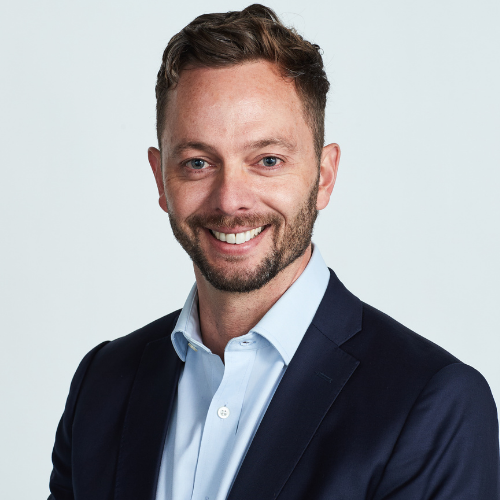
Adam Bayes
Dr Adam Bayes is a clinical academic psychiatrist with a special interest in mood disorders (depressive and bipolar conditions) including their diagnosis, classification and treatment – with the latter focusing on interventional psychiatry (e.g. rapidly acting antidepressants) and novel neurostimulation (transcranial magnetic stimulation; TMS). Adam works at the interface of research and clinical application, and has an interest in developing models of care most recently establishing the BDI Ketamine Treatment Program which arose out of a clinical trial. In addition to spending half of his time managing patients as a psychiatrist, he is actively engaged in teaching and mentoring medical students, psychiatry registrars, higher degree researchers as well as contributing to treatment guidelines and conducting workshops for psychiatrists and GPs. Adam currently works at UNSW Sydney.