40% of Australian men under 35 believe women’s rights have gone ‘too far’
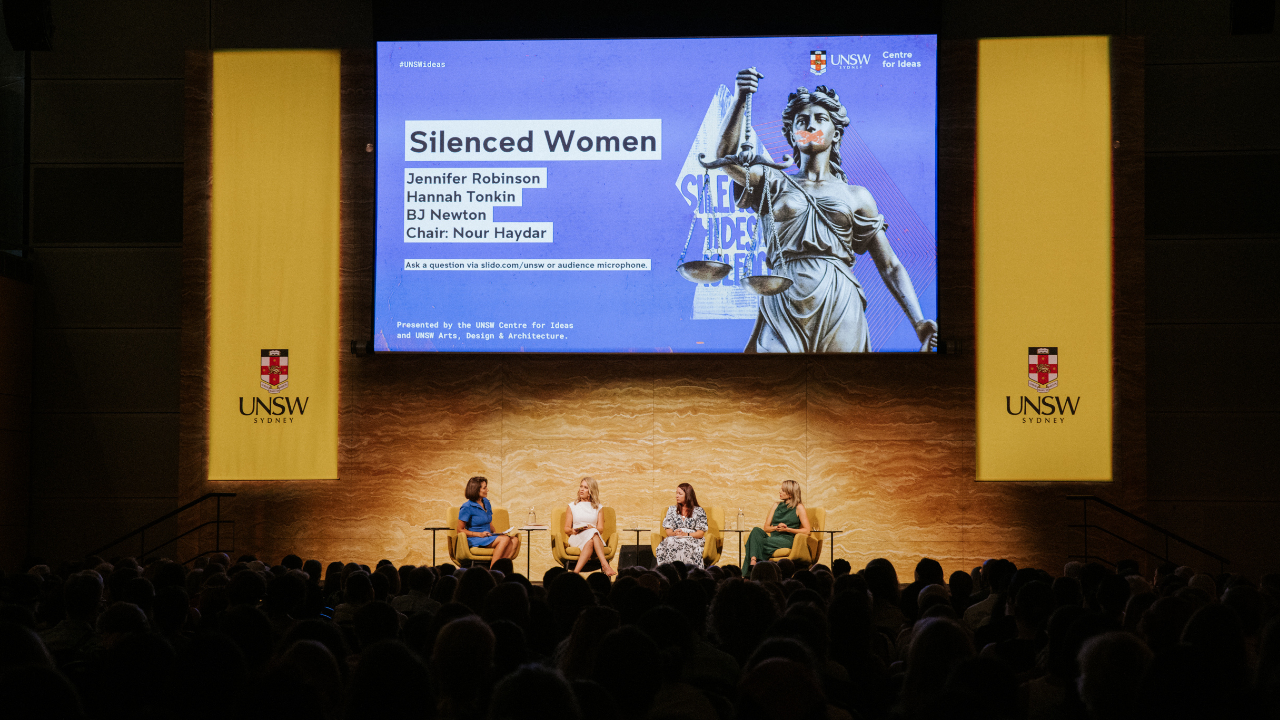
Bhavik Aggarwal, UNSW Law & Justice student, reflects on the UNSW Centre for Ideas event Silenced Women.
If you feel a sense of disbelief while reading this statistic, you are not alone. When Hannah Tonkin, the NSW Women’s Safety Commissioner, shared this figure, it hit like a gut punch. How could so many young men, raised in an era of supposed progress, hold such regressive views? But as I sat with the statistic, my unease gave way to a grim realisation. In a world saturated with social media influencers peddling misogynistic rhetoric and public figures normalising casual sexism, the realisation of the ‘manosphere’ felt inescapable.
Suddenly, the statistic didn't feel so shocking. Instead, it exposed a troubling truth: misogyny and gender bias are far from being relics of the past, but instead pervasive forces shaping our present.
These issues, and the extremely disturbing reality in relation to gendered violence, took centre stage at Silenced Women, an event hosted by the UNSW Centre for Ideas. The talk was filled with a range of perspectives, not only on the law but also on how nearly every institution which we are used to interacting with on the daily can be weaponised to oppress women, prevent justice and further entrench inequality.
‘By men, for men’
It’s difficult to digest a world where decisions shaping the lives of entire subsets of society are made without truly ever listening to the voices of those they impact the most. Yet, this reality could not have been made more salient than by Associate Professor BJ Newton’s exposition on the child protective systems across Australia on First Nations women. Describing such systems as being ‘suppressive by design’, she explained that in cases where an Aboriginal child is removed from their home due to perceived neglect, the outcome often penalises mothers who may be actively seeking help in escaping domestic violence.
The reality is that these flaws are evident across our entire social fabric. Centrelink is another example. The same system ensuring financial support for millions of Australians, often falls short in supporting women who may be ineligible for social security because their partner earns over a certain threshold. These failures are not isolated; they are symptoms of a broader system that tilts the playing field right from the very beginning.
What can we do to drive change?
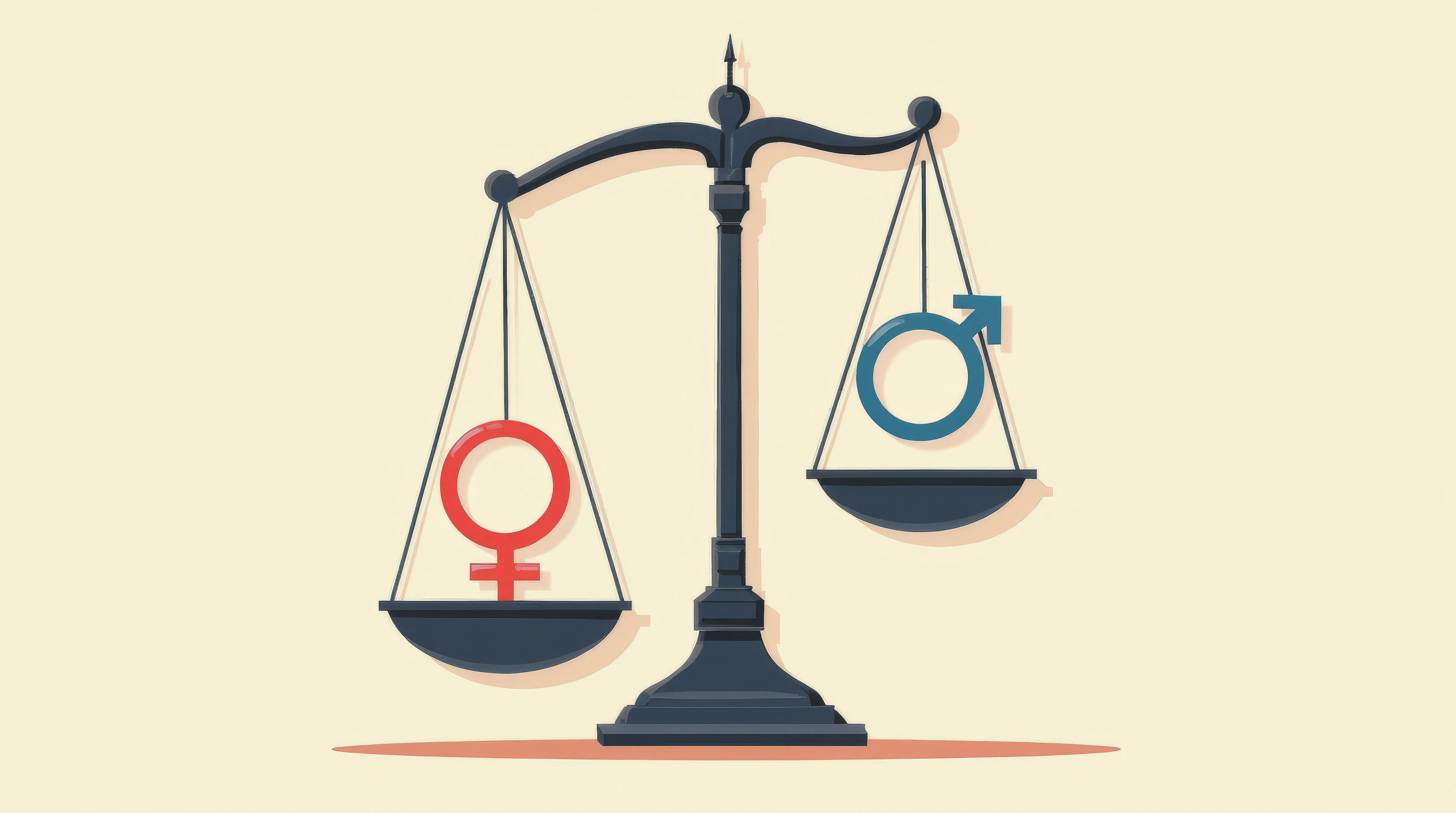
In her book How Many More Women? Jennifer Robinson, a renowned international human rights lawyer and the headline speaker at the Silenced Women event, wrote: ‘As Justitia reminds us, the law is a constant balancing act, weighing interests and rights to achieve a just outcome’. But when the scales start feeling tipped in favour of the oppressor, it is important for us to step back and reflect our own role in these systems.
To demonstrate resistance and drive change, the audience at the event was left with this small nugget of hope – be ready in knowing how to respond if someone discloses that they’ve been a victim. Be ready to listen. Be ready to believe her.
For me, the question is no longer ‘what needs to change’, but ‘what are we willing to do to make it happen’.
-
1/4
-
2/4
-
3/4
-
4/4